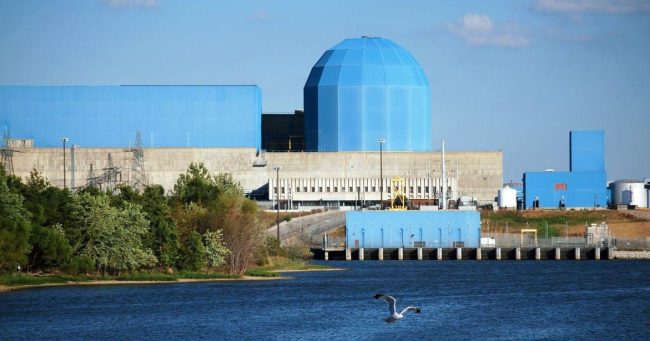
Constellation Energy has secured a major regulatory victory, with the U.S. Nuclear Regulatory Commission (NRC) granting 20-year license renewals for Clinton Unit 1 and Dresden Units 2 and 3, marking crucial milestones in the ongoing push to sustain and extend nuclear power’s contribution to the energy mix.
Beginning with the Nuclear Engineering International article on “Life ex for Clinton and Dresden,” we learn these Illinois reactors, once slated for shutdown, are now cleared to operate well into mid-century; Clinton until 2047, Dresden 2 until 2049, and Dresden 3 until 2051. This regulatory win caps a comprehensive assessment of safety, equipment integrity, and environmental impacts, essential benchmarks underpinning the renewals.
Behind the scenes, Constellation has invested more than $370 million across both sites, upgrading transformers, chillers, feedwater systems, and polisher units to enhance reliability, efficiency, and safety standards. These upgrades are not just technical necessities; they signal a strategic bet on nuclear’s enduring role in clean energy portfolios, and bolster grid stability.
The nuclear project also embodies broader economic and social benefits. These extended licenses help safeguard over 2,200 family-sustaining jobs and preserve nearly $8.1 billion in federal, state, and local tax revenues. Furthermore, a landmark 20-year power purchase agreement with Meta provides Clinton with essential revenue certainty following the sunset of Illinois’ Zero Emission Credit (ZEC) scheme in 2027. These contracts are emblematic of how corporate partnerships are reshaping the economic viability of nuclear operations.
The NucNet report emphasises how this trio of license renewals adds to a growing cohort, thirteen reactors secured multi-decade extensions in 2025 alone, offering over 12 GW of sustained, carbon-free energy capacity for roughly 10 million homes. This reflects a concerted effort by the NRC to streamline approvals and underscore long-term energy resilience.
Finally, the Constellation press release reiterates the NRC’s commitment not only to stringent safety standards but also to process efficiency. With these decisions, Clinton and Dresden are poised to supply clean, dependable power while underpinning local economies and preserving critical industry talent.
By extending these plants into the 2040s and 2050s, Constellation is demonstrating that nuclear can successfully compete in today’s energy markets, especially when backed by regulatory foresight, strategic capital investment, and future-facing offtake agreements.
This story offers rich insight for nuclear careers professionals; maintaining existing fleet infrastructure represents a pivotal career pathway, as nuclear operators, regulators, and suppliers drive the twin missions of extension and modernisation.
Sources: constellation energy, energyonline.com, nucnet.org, power-eng.com, neimagazine.com, nrc.gov
Picture: Constellation