Open post

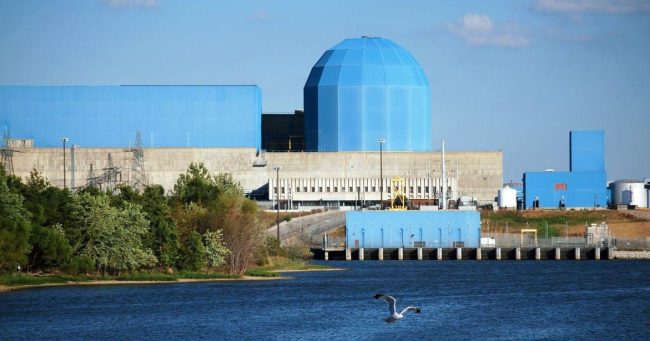
Proposals to Extend Sizewell B Operations

Sizewell B: A Defining Test for the UK’s Nuclear Future

A Strategic Pivot Toward Long-Term Nuclear Reliability

Across government, industry, and the specialist press, one message is unmistakable, Sizewell B is becoming the cornerstone of Britain’s nuclear resilience for the 2030s and beyond.

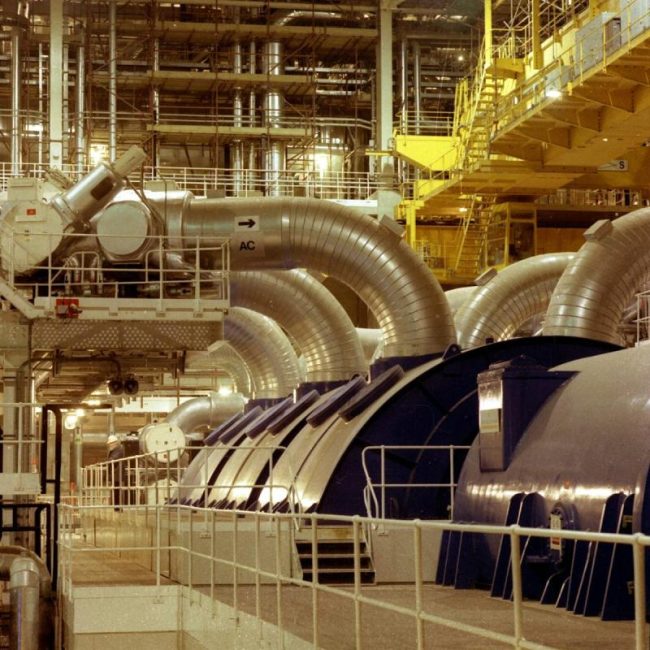
According to Nuclear Engineering International, EDF has now made extending Sizewell B’s life to 2055 a top national priority, driven by the plant’s exceptional performance and the urgent need to stabilise the UK’s low‑carbon power mix.

In 2025, Sizewell B delivered a 99% load factor and generated 10.4 TWh, accounting for over 30% of total UK nuclear output, a remarkable figure for the country’s only pressurised water reactor. EDF argues the extension is viable but dependent on agreeing a commercial model that would unlock £800m of required investment.

This investment sits within a wider programme of fleet stewardship. EDF has already invested £8.6bn in the UK’s nuclear stations since 2009 and plans a further £1.2bn between 2026–28 to maintain generation and energy security while the ageing AGR fleet winds down.

Government Negotiations Signal Nuclear’s Central Role in Energy Security

Reporting from the Financial Times (via IndexBox and Bloomberg summaries) indicates that the UK government is now in active talks with EDF and Centrica to secure the £800m investment package needed for long‑term operation, an agreement that could crystallise in the coming months. The proposal centres on a Contract for Difference (CfD) to stabilise revenue and reduce commercial risk, echoing the contractual frameworks used for large renewable projects.

Why the urgency? Analysts highlight an approaching crunch; multiple reactors are retiring, while new capacity at Hinkley Point C and Sizewell C is unlikely to generate before 2030 at best. Extending Sizewell B to 2055 would plug a looming reliability gap just as wind and solar scale but remain intermittent. Nuclear generation dropped in 2025, forcing greater gas use and pushing up emissions, adding weight to the case for reliable baseload.

For policymakers, Sizewell B is increasingly seen not merely as a plant extension, but a strategic lynchpin in achieving a clean, firm power grid by the end of the decade.

Workforce, Regional Growth and the Nuclear Skills Pipeline

BusinessGreen reports that the Sizewell B extension would secure around 600 long‑term jobs on site through to 2055, reinforcing Suffolk’s ambition to become the UK’s premier nuclear hub. The investment, spread over 10–15 years, would fuel ongoing upgrade cycles and expand opportunities for nuclear apprenticeships, specialist contractors and supply‑chain SMEs.

Local industry leaders emphasise that sustaining Sizewell B aligns with wider regional economic planning: supporting a multi‑reactor cluster by the 2030s, strengthening the East of England’s low‑carbon leadership, and ensuring alignment between business, education and policymakers in developing the nuclear talent pipeline.

For the nuclear workforce, this is a generational opportunity; continuity of operations, major upgrade programmes, and the chance to embed world‑class skills across engineering, safety, digital systems, and operational excellence.

Why This Matters for the UK’s Nuclear Workforce

1. A Living Case Study in Long-Term Operation (LTO)

Sizewell B’s extension would place the UK among an international cohort of operators successfully running PWRs beyond 60 years. This strengthens domestic expertise in ageing management, component upgrades, and regulatory assurance, core competencies for future reactors.

2. A Catalyst for Skills Development

Sustained employment, multi‑cycle outage work, and integration with the Sizewell C programme create a multi‑decade skills horizon rarely seen in the UK energy sector.

3. A Platform for Policy and Investment Stability

A CfD‑style mechanism for nuclear life extension could set a precedent for future large‑scale refurbishments, offering engineers and early‑career professionals’ greater certainty in career planning.

The Bottom Line

Sizewell B’s proposed life extension is more than a technical upgrade; it is a defining moment for the future of the UK nuclear profession. The intersection of reliability needs, investment negotiations, regional workforce benefits, and long‑term energy strategy positions this project as a bellwether for the industry’s next chapter.

For nuclear professionals, educators, and employers, the coming decisions around Sizewell B will shape not only the UK’s energy resilience, but also the direction of careers, innovation, and capability-building for the next 30 years.

Picture: EDF Energy
Open post

Last Energy Secures $100M Series C

Last Energy Secures Oversubscribed $100M Series C to Accelerate Microreactor Commercialisation.

Last Energy, a fast‑growing developer of modular micro‑nuclear reactors, closed an oversubscribed Series C round in December 2025 exceeding $100 million, marking one of the most significant recent investments in next‑generation nuclear deployment. The round was led by the Astera Institute with participation from JAM Fund, Gigafund, The Haskell Company, AE Ventures, Ultranative, Galaxy Interactive, and Woori Technology Co., Ltd.

This new capital positions the company to fully fund its U.S. DOE pilot reactor, accelerate commercialisation of its PWR‑20 microreactor, and expand its U.S. manufacturing footprint, demonstrating growing investor confidence in factory‑built nuclear solutions. A Major Milestone for the Microreactor Market

Last Energy describes this raise as transformative for its transition from demonstration to commercial power plant deployment. According to CEO Bret Kugelmass, the funding will support their DOE pilot and help prove out “how factory fabrication will unlock the scalability that the energy market demands.”

For an industry increasingly focused on energy security, electrification of heavy industry, and clean baseload power, Last Energy’s modular approach, centred on 5–20 MWe reactors, offers a scalable nuclear product designed for real‑world, near‑term deployment.

Advancing the PWR‑5 Pilot and Commercial PWR‑20 Reactor

Following the Series C round, Last Energy is prioritizing three major initiatives:

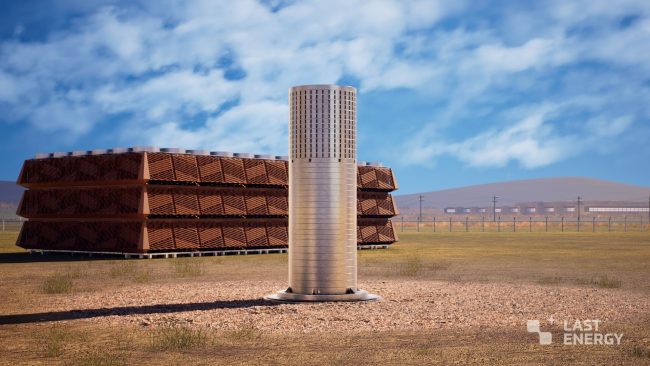
1. Completing the PWR‑5 Pilot Reactor: The PWR‑5, a 5 MWe demonstration reactor physically identical to the commercial PWR‑20 but scaled down, will serve as the proving ground for Last Energy’s factory‑fabricated approach.

2. Accelerating PWR‑20 Commercialisation: The PWR‑20 is the company’s flagship 20 MWe microreactor designed for industrial off takers such as data centres, manufacturing facilities, and ports.

3. Expanding Manufacturing Capacity in Texas: The new funding allows Last Energy to strengthen its Texas manufacturing footprint and deepen local partnerships to support serial production.

Regulatory Progress in the U.S. and UK

United States: DOE Pilot and First‑of‑its‑Kind Agreements

In August 2025, Last Energy was selected for the U.S. DOE’s Reactor Pilot Program, secured a long‑term lease at the Texas A&M–RELLIS campus, and signed the first known Other Transaction Agreement (OTA) between DOE and a reactor developer. This positions the company for an anticipated 2026 criticality demonstration.

United Kingdom: Leading the Race for Microreactor Licensing

Last Energy is also the only company with a regulator‑confirmed pathway toward a potential 2027 UK site license decision, having completed its Preliminary Design Review (PDR) with the ONR, Environment Agency, and NRW.

Its recognition by the Atlantic Partnership for Advanced Nuclear Energy further underscores the UK’s support for U.S.–UK collaboration on small reactor deployment.

Investor Confidence in Next‑Gen Nuclear

Investors highlighted the transformative nature of Last Energy’s productised, modular approach:

  • Astera Institute emphasised the company’s “ambitious” product mindset and transformative potential for power generation.
  • Galaxy Interactive pointed to the essential role of clean, reliable power for enabling industrial and economic growth, calling Last Energy’s model one of the “most capital‑efficient” approaches in the nuclear space.

Key Insights for the Nuclear Sector

Microreactor investment momentum continues to accelerate as private capital seeks scalable clean‑energy solutions.

Last Energy’s factory‑built PWR‑20 microreactor is positioned as a leading candidate for rapid industrial deployment.

Strong progress along both U.S. and UK regulatory pathways makes Last Energy one of the most advanced microreactor developers globally.

The company’s expansion into Texas manufacturing highlights growing demand for domestic nuclear supply chain capacity.

A Defining Moment for Microreactor Commercialisation

Last Energy’s oversubscribed $100M Series C underscores the growing confidence in modular nuclear reactors as essential infrastructure for the next generation of clean energy systems. With regulatory traction, industrial partnerships, and new capital in hand, the company is now positioned to deliver commercial microreactors in the second half of the decade, an inflection point for the global nuclear workforce and supply chain.

Picture: Last Energy

Open post

NASA’s Focus on Nuclear Tech in Space

NASA’s Renewed Push into Space Nuclear Propulsion: What It Means for the Future Workforce

NASA has quietly crossed a threshold that the space and nuclear industries have awaited for decades; the first full‑scale testing of flight‑like nuclear rocket hardware since the 1960s. Recent cold‑flow test campaigns, conducted at the Marshall Space Flight Center using full‑scale, non‑nuclear reactor prototypes, mark a major inflection point in the revival of nuclear thermal propulsion (NTP) technologies

Across more than 100 tests, engineers demonstrated stable propellant flow, validated fluid‑dynamic behaviour, and confirmed reactor designs that resist destructive oscillations and pressure waves—issues that historically hindered earlier programs like NERVA. These results provide some of the most detailed performance data seen in over half a century.

But the significance goes far beyond a technical milestone; NASA is building the foundations for a new operational era in deep‑space travel. Nuclear propulsion promises dramatically shorter transit times, enhanced mission endurance, and larger payload capacities, critical enablers for human exploration of Mars and sustained operations in cislunar space.

At the same time, industry partners such as BWX Technologies and General Atomics are advancing reactor components and fuels capable of withstanding extreme hydrogen‑rich, high‑temperature environments. Some materials have now demonstrated survivability up to 3000 K, paving the way for engines two to three times more efficient than conventional chemical rockets.

While the cancellation of the DARPA–NASA DRACO in‑orbit NTP demonstration represents a near‑term setback for flight testing, the technical momentum has not slowed. NASA’s internal propulsion programmes and private‑sector innovators continue to build on the mature design data emerging from these recent campaigns.

Why This Matters for Nuclear Careers

Nuclear propulsion, once a historical footnote, is resurging as one of the most transformative technical domains for the next generation of engineers, scientists, and policy specialists.

Here’s what this means for our sector:

1. A New Talent Horizon

The integration of nuclear systems into human‑rated spacecraft requires nuclear engineers fluent in both terrestrial reactor principles and space‑environment constraints. Materials science, thermal‑hydraulics, radiation effects, and high‑temperature fuel fabrication are suddenly skills in high demand.

2. An Era of Cross‑Disciplinary Acceleration

Space nuclear propulsion is inherently multidisciplinary. Reactor physicists are collaborating with aerospace engineers; metallurgists are working with propulsion designers; regulatory thinkers are engaging with mission planners. Careers at this interface will define the next decade of innovation.

3. A Strategic Inflection Point

As travel times shrink and mission capabilities grow, nuclear propulsion becomes a strategic asset for national space ambitions. The workforce that develops, validates, and governs this technology will shape how quickly humanity reaches Mars and how sustainably we operate once we get there.

The Takeaway

NASA’s recent reactor test campaigns signal more than technological progress; they mark the re‑emergence of nuclear propulsion as a central pillar of exploration strategy. For professionals entering or advancing within the nuclear field, this is an unprecedented moment. The skills, creativity, and leadership developed within today’s nuclear workforce will directly influence humanity’s reach across the solar system.

This is not just about building rockets – it’s about building the future talent and expertise that will power the next leap forward.

Picture: zugtimes.com

Open post

Nuclear Week in Parliament

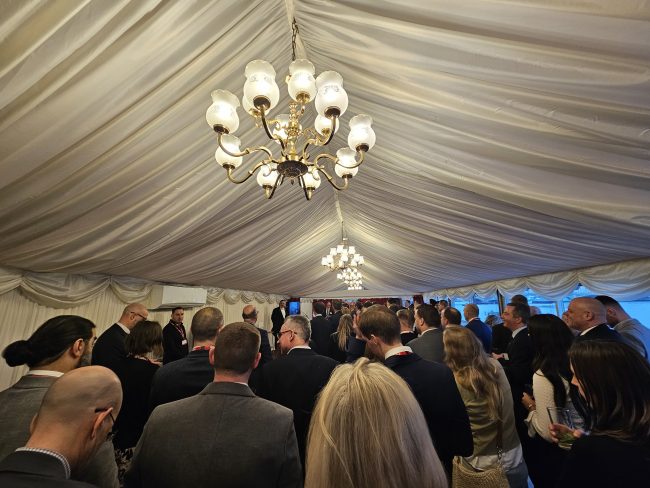
Nuclear Week in Parliament is an annual event taking place throughout the Palace of Westminster, hosted by the Nuclear Industry Association.

We spent time during the afternoon at the AECOM sponsored panel session which was supported by Baroness Bloomfield and Lord Iain McNicol.

Richard Whitehead, CEO of AECOM, gave an introduction that commented about having a focus on delivery, turning ambition and strategy into tangible actions.

Cameron Tompkin added that we have seen projects hampered by delays and cost overruns which in turn has affected local jobs, all while infrastructure has been getting bigger and more complex. The Prime Minister’s nuclear focus was mentioned as positive and the creation of groups such as NISTA is a positive move. Faster and better regulations with the ability to foster new technologies will put the UK in a powerful position.

Panellists included David Schofield, Chief Geologist, Nuclear Waste Services; Sarah MacGregor, Forests with Impact Programme Director and Head of Social Sustainability at Sunbelt Rentals UK & Ireland; Paul Roberts, Business Director for Decommissioning and Site Services, Nuvia; Eloise John, Energy Director, AECOM.

A few recurring topics surfaced during the talk such as the need to bring in new people to diversify the industry and the skills base. This is going to be crucial if we are going to meet the growing demand for talent and if we want to meet project obligations head on efficiently.

Embedding a culture of knowledge sharing, making the most of AI and digital transformations will all be critical aspects of project success. Shared goals must align up front and be smart all while understanding that technology/AI won’t be replacing experts but will; however, be utilised to support us to be more productive.

Collaboration with industry is fundamental to successful delivery and with a sharper eye on sustainability, strategies must be incorporated into project planning and ensuring there is a strong bids & tenders process.

All in all, we felt that people do want to move forward with a new sense of unison while also understanding that we need to tweak the way we bring talent into the industry. 2025 saw us build foundations and 2026 will be a make-or-break year for talent sourcing and retention.

Reach out to us today to find out how we can help support your recruitment and hiring strategies. Whether you need an in-house consultant or you require a retained talent search, we have the expertise to help you hire the right people today.

Open post

NRC Extends Clinton and Dresden Licenses to 2050

Constellation Energy has secured a major regulatory victory, with the U.S. Nuclear Regulatory Commission (NRC) granting 20-year license renewals for Clinton Unit 1 and Dresden Units 2 and 3, marking crucial milestones in the ongoing push to sustain and extend nuclear power’s contribution to the energy mix.

Beginning with the Nuclear Engineering International article on “Life ex for Clinton and Dresden,” we learn these Illinois reactors, once slated for shutdown, are now cleared to operate well into mid-century; Clinton until 2047, Dresden 2 until 2049, and Dresden 3 until 2051. This regulatory win caps a comprehensive assessment of safety, equipment integrity, and environmental impacts, essential benchmarks underpinning the renewals.

Behind the scenes, Constellation has invested more than $370 million across both sites, upgrading transformers, chillers, feedwater systems, and polisher units to enhance reliability, efficiency, and safety standards. These upgrades are not just technical necessities; they signal a strategic bet on nuclear’s enduring role in clean energy portfolios, and bolster grid stability.

The nuclear project also embodies broader economic and social benefits. These extended licenses help safeguard over 2,200 family-sustaining jobs and preserve nearly $8.1 billion in federal, state, and local tax revenues. Furthermore, a landmark 20-year power purchase agreement with Meta provides Clinton with essential revenue certainty following the sunset of Illinois’ Zero Emission Credit (ZEC) scheme in 2027. These contracts are emblematic of how corporate partnerships are reshaping the economic viability of nuclear operations.

The NucNet report emphasises how this trio of license renewals adds to a growing cohort, thirteen reactors secured multi-decade extensions in 2025 alone, offering over 12 GW of sustained, carbon-free energy capacity for roughly 10 million homes. This reflects a concerted effort by the NRC to streamline approvals and underscore long-term energy resilience.

Finally, the Constellation press release reiterates the NRC’s commitment not only to stringent safety standards but also to process efficiency. With these decisions, Clinton and Dresden are poised to supply clean, dependable power while underpinning local economies and preserving critical industry talent.

By extending these plants into the 2040s and 2050s, Constellation is demonstrating that nuclear can successfully compete in today’s energy markets, especially when backed by regulatory foresight, strategic capital investment, and future-facing offtake agreements.

This story offers rich insight for nuclear careers professionals; maintaining existing fleet infrastructure represents a pivotal career pathway, as nuclear operators, regulators, and suppliers drive the twin missions of extension and modernisation.

Sources: constellation energy, energyonline.com, nucnet.org, power-eng.com, neimagazine.com, nrc.gov

Picture: Constellation

Open post

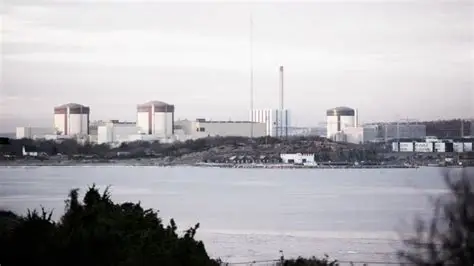
Sweden Seeks State Aid for New Nuclear Reactors

In a decisive move to reignite Sweden’s nuclear ambitions, Videberg Kraft AB, backed by state-owned Vattenfall and a coalition of leading industrial players through Industrikraft, is leading the charge for a new era of Small Modular Reactors (SMRs) on the country’s west coast.

On December 23, Videberg Kraft formally submitted its application to the Swedish government, seeking state-backed financing and risk-sharing support under Sweden’s newly established nuclear aid framework.

This marks the first such application under groundbreaking legislation, enacted in August 2025, which enables state loans and two-way Contracts for Difference to de-risk next-generation nuclear projects within the EU regulatory paradigm. The proposed site is the Värö Peninsula at Ringhals, once home to four reactors, two of which are now slated for renewal with SMRs capable of delivering around 1,500 MW.

Industrial heavyweight commitment is shaping the project’s financing structure. Industrikraft, a consortium including Saab, Volvo, Alfa Laval, ABB, Hitachi Energy, and others, is acquiring a 20 % stake in Videberg Kraft, signalling robust private-sector investment and portfolio diversification away from fossil-intensive power. This strategic alignment not only strengthens risk-sharing but also reflects a shared imperative; clean, stable energy underpinning electrification of heavy industries like steel, chemicals, and transport.

Currently, the project team is evaluating two cutting-edge SMR technologies, GE Vernova/Hitachi’s BWRX‑300 and Rolls‑Royce’s modular design. A final choice between five BWRX‑300 or three Rolls‑Royce units is expected in 2026, with deployment following through in phases targeting a total of 1,500 MW and perhaps even more, with potential for an additional 1,000 MW in subsequent stages.

State involvement is a game-changer. The support model not only offers low-cost loans but also income stabilisation through two-way Contracts for Difference, a mechanism essential for securing investor confidence and compliance with EU state-aid rules. Already in dialogue with the European Commission, Sweden aims to replicate precedents set by Poland’s approved state-backed nuclear scheme.

Through this bold application, Sweden is sending a loud signal; nuclear power remains central to its vision of a 100 % fossil-free energy system. As Prime Minister Ulf Kristersson put it, “New fossil-free electricity production is critical for the electrification of Sweden’s transport and industry”. The move also reignites a conversation that once favoured a total nuclear phase-out, parliament reversed that decision in 2010, and now eight reactors remain in operation.

Videberg Kraft’s state aid application is more than a paper filing, it’s a strategic gambit to reshape Sweden’s electric grid, drive industrial decarbonisation, and leapfrog into modular nuclear innovation.

As negotiations with the Swedish government and the European Commission progress, the world will be watching whether this blend of public guarantee and private ambition delivers the next generation of clean, reliable power.

Sources: world-energy.org, oilprice.com, world-nuclear-news.org

Picture: XINHUA

Nuclear Institute Nuclear Professionals Conference

When and where is the conference?

The conference will take place on Thursday 7th May 2026, 9am-4pm in central Manchester. It will be followed in the evening by the Northwest Branch Annual Dinner. 2026 will be the 77th year of this flagship event that regularly welcomes over 600 attendees, allowing conference attendees additional networking opportunities in a social setting.

Who can attend this event?

The conference is aimed at nuclear professionals across all disciplines including science, engineering, business services (such as finance, HR, marketing, IT, project management), students and academics who are interested in their professional development.

Outline agenda

The conference will have 3 keynote talks supported by themed tracks and seven immersive and interactive zones:

  1. Equity, Diversity & Inclusivity Zone: For those committed to EDI, this zone offers practical strategies, bias-busting tools, and discussions on cultural competency and neurodiversity.
  1. Mental Health & Wellbeing Zone: High-pressure environments demand resilience. This zone provides resources, mindfulness sessions, and expert-led talks on managing stress and preventing burnout—critical for sustaining long-term careers in nuclear.
  2. Nuclear Business Services Zone: Explore finance, HR, compliance, and operational excellence. Gain insights into funding models, risk management, and workforce planning.
  3. Career Development Zone: A highlight for those seeking progression. From CV clinics and interview coaching to chartership guidance and CPD pathways, this zone is a one-stop shop for advancing your career.
  4. Technology Zone: Engage with innovations like AI, robotics, VR/AR, and cybersecurity. See how digital tools are reshaping safety, efficiency, and collaboration, and be able to discover opportunities for cross-sector partnerships.
  5. Networking & Mentoring Zone: Structured networking sessions, themed meetups, and mentorship matchmaking. Whether you’re seeking a mentor or offering guidance, this is where lasting professional relationships begin.
  6. Leadership Zone: For aspiring leaders, this zone offers coaching, scenario planning, and strategic insights. Learn from established leaders and develop skills in strategic thinking, crisis management, and inclusive leadership.

Registration and ticket prices

Registration will open in January 2026 and we will email you directly. We recommend signing up to our newsletter as well for first notice of tickets.

NI members of course receive the best ticket rates and we encourage group bookings with bulk ticket options available. Tickets will include Nuclear Institute membership for non-members.

Nuclear Week in Parliament

EDF — NUCLEAR NATION: ENERGISING COMMUNITIES AND CATALYSING GROWTH
08:00 to 09:30
Breakfast Roundtable
One Great George St, SW1P 3AA
Invite only

ROLLS-ROYCE NUCLEAR SHOWCASE
09:45 to 11:00
Breakfast Drop-in
Hosted by Jonathan Davies MP, Terrace Pavilion,
House of Commons

NUCLEAR WEEK IN PARLIAMENT — GREAT BRITISH ENERGY-NUCLEAR RECEPTION
12:30 to 14:30
Reception
Hosted by Baroness Bloomfield, Cholomondeley Room and Terrace,
House of Lords
Invite only

UK NATIONAL NUCLEAR LABORATORY — FROM LAB TO LOCAL: MAKING BRITAIN A CLEAN ENERGY SUPERPOWER
14:30 to 16:00
Interactive Technology Demonstration
Hosted by Josh MacAlister MP, Dining Room A,
House of Commons
Invite only

NRI — INSURING THE FUTURE: NUCLEAR RISK AND
OPPORTUNITY
15:30 to 17:00
Roundtable
Hosted by Andrew Bowie MP, Attlee and Reid Room,
House of Lords

CAVENDISH NUCLEAR — DELIVERING SOVEREIGN CAPABILITY, ENERGY RESILIENCE AND ECONOMIC GROWTH
18:00 to 19:30
Reception
Hosted by Charlotte Nichols MP, Thames Pavilion,
House of Commons
Invite only

Nuclear Week in Parliament

SHEFFIELD FORGEMASTERS — STRENGTH IN STEEL:
SECURING THE UK’S DEFENCE AND ENERGY FUTURE
08:00 to 09:30
Reception
Hosted by Clive Betts MP, Churchill Room,
House of Commons

X-ENERGY — DELIVERING THE NEXT GENERATION OF
NUCLEAR POWER IN PARTNERSHIP
10:30 to 12:00
Reception
Hosted by Lord Wharton, Attlee and Reid Room,
House of Lords

NUCLEAR WEEK IN PARLIAMENT — SKILLS & APPRENTICESHIP FAIR
13:00 – 15:30
Fair
Hosted by Lizzi Collinge MP, Attlee Suite,
Portcullis House

WESTINGHOUSE — CIVIL NUCLEAR POWER: TURNING POTENTIAL INTO DELIVERY
15:30 – 17:00
Reception
Hosted by Andrew Snowden MP, Terrace Pavillion,
House of Commons

NUCLEAR DECOMMISSIONING AUTHORITY — LOCAL IMPACT, NATIONAL GROWTH: HOW THE NDA GROUP IS DELIVERING FOR THE UK
18:00 to 19:30
Reception
Hosted by Irene Campbell MP, Churchill Room,
House of Commons
Invite only

NUCLEAR WEEK IN PARLIAMENT — EXECUTIVE DINNER
19:30 to 22:00
Dinner
Cinnamon Club, Reading Room
Private Event

Nuclear Week in Parliament

KBR/FNC — NUCLEAR NOW: EXPEDITING AI, EMPOWERING
PEOPLE, ENERGISING THE NATION
12:00 to 13:30
Reception
IMechE, Manufacturing Room

FRAMATOME — INTERNATIONAL SKILLS TRANSFER AND
GROWING UK CAPABILITY
13:00 to 14:30
Reception
Hosted by Charlotte Nichols MP, Thames Pavilion,
House of Commons

AMENTUM — ADVANCING NUCLEAR POWER: US-UK
COLLABORATION IN BUILDING A NUCLEAR FUTURE
14:00 to 15:30
Reception
Hosted by Lizzi Collinge MP, Terrace Dining Room A,
House of Commons

AECOM — DELIVERING DIFFERENTLY – SHAPING THE
NUCLEAR ECONOMY
15:30 to 17:00
Panel
Hosted by Baroness Bloomfield, Cholmondeley Room & Terrace,
House of Lords

SIZEWELL C — ANNUAL PROJECT UPDATE 2026
18:00 to 19:30
Briefing
Hosted by Jack Abbott MP, Thames Pavilion,
House of Commons

NUCLEAR WEEK IN PARLIAMENT — NUCLEAR ENERGY
APPG WELCOME RECEPTION

19:30 to 22:00
Reception
Hosted by Charlotte Nichols MP, Terrace Pavilion,
House of Commons
Invite only

Posts navigation

1 2 3 4 5
Scroll to top