Open post

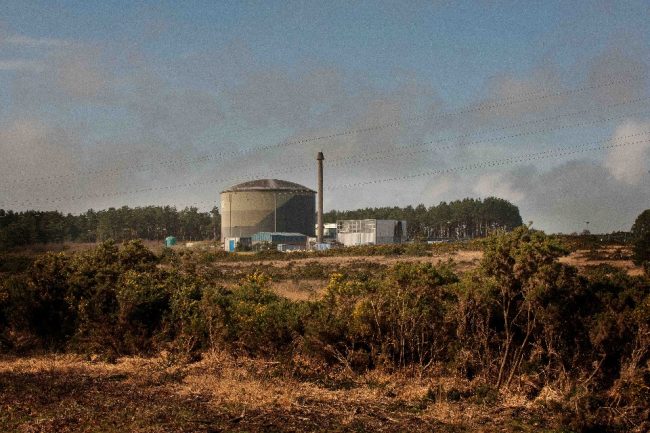
Dismantling the Dragon at Winfrith

Located in Dorset and constructed in the 1950’s as a centre of excellence for nuclear reactor research. Dragon was a 20-megawatt power output graphite moderated, helium cooled prototype reactor.

Seven of the nine experimental reactors have been dismantled, and the project is currently at the first of eleven phases to fully dismantle the core.

Nuclear Restoration Services (NRS) are driving innovation forward with this project and Phoebe Lynch, NRS strategic innovation programme manager, said: “All the learning from the initial operational phase of using laser cutting for the Dragon reactor core provided valuable insights into the feasibility, reliability and safety of this technique.”

Over the next few years, the core will be packed into 6m3 concrete intermediate level waste storage boxes, and these will be taken to the Harwell Science & Innovation Park in Oxfordshire.

The long-term aim is that this highly radioactive waste will be permanently stored in the geological disposal facility (GDF) once it is available.

Picture: gov.uk


Open post

Philippines Uses Nuclear Tech to Fight Plastic Pollution

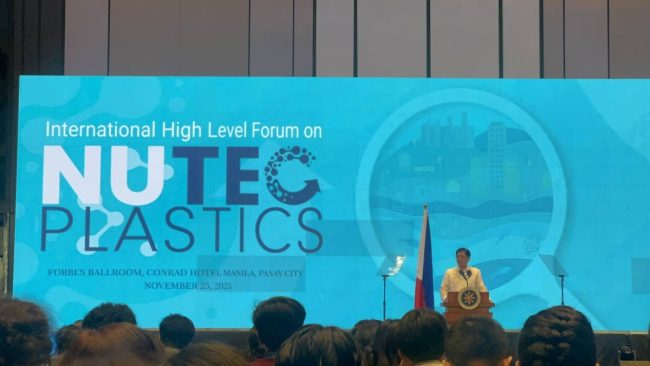
During the International Atomic Energy Agency (IAEA) International High-Level Forum, Filipino President, Ferdinand Marcos Jr., talked about his commitment to addressing plastic issues through nuclear technology.

“It affects biodiversity, public health, supply chains, and the lives of our coastal and urban communities. Addressing it requires going beyond regulation and advocacy. It requires technology that is credible, scalable, grounded in rigorous science,” he said.

The work is part of a global initiative by the IAEA called the Nutec Plastics Initiative, and the Philippines are transforming low-value plastic into reliable, commercially viable materials under the Post-Radiation Reactive Extrusion of Plastic Wastes Project (PREx).

Full story; https://www.manilatimes.net/2025/11/26/news/national/philippines-leverages-nuclear-technology-in-fight-against-plastic-pollution/2231044

Picture: Philippines Presidential Communications Office

Open post

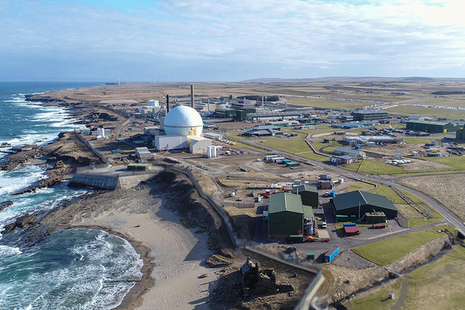
Dounreay Clears Away Nuclear Waste

Dounreay was established in 1950’s and in 1954 it was chosen as the site for a new type of reactor, the fast breeder reactors.

Until 1994 it was the place for fast reactor research and development where it had a vital role in advancing nuclear technology. This was led by the UK Atomic Energy Authority (UKAEA).

At the end of the 1980’s, when the UK pulled out of continuing its use of fast reactors, it was shut down and so began its journey as a decommissioning site. The Nuclear Decommissioning Group (NDA) took over the site in 2005.

To counteract the lack of business from fast reactors, the site looked to the oil and gas sector. Handling radioactive materials from the gas pipework that got built up due to radioactive material beneath the seabed.

Earlier this week it was announced that the last 29 containers of low-level waste have been removed from the decommissioning site. The site is undergoing construction, demolition and cleanup work to ensure the site and its parts are safe for future generations.

Nuclear Restorations Services (NRS), Nuclear Waste Services (NWS) and contractor Augean have worked together to complete the safe transfer of the containers.

Picture: gov.uk

Open post

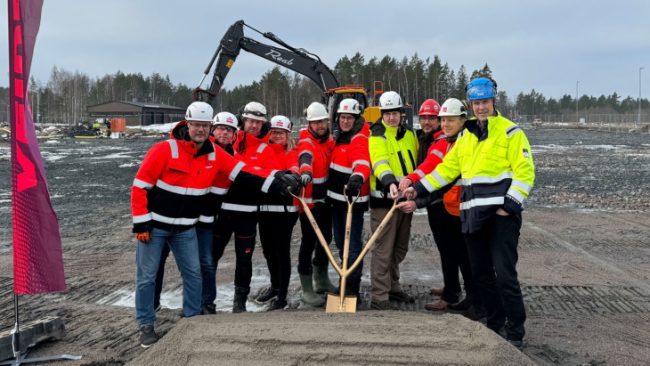
Sweden’s Radioactive Waste Repository

Forsmark is home to one of the world’s first repositories for spent nuclear fuel.

Sweden is one of the leading countries when it comes to nuclear waste management and SKB has developed a process for safely storing radioactive waste.

Machinery is on site digging gravel and groundwork has begun on site to prepare for bridge construction. The site is right next door to the Forsmark power plant which should mean logistics are more straight-forward.

The area is 24 hectares; however, the impressive part if what will be 500-metres deep underground; more than 400 hectares that will include 60km of tunnels.

Sweden has 12 commercial reactors in total with 6 still in operation and this will be home to all of their high-level waste.

Excavation work will be completed in stages up until the 2080’s and the first deposited waste will be within the 2030’s.

“While we have been waiting for a decision, we have continued to work on technology development and optimisation,” says SKB’s CEO Stefan Engdahl. We have been able to do what we have been doing for 40 years – research and develop the solutions needed to fulfil our mission: to manage and dispose of operational waste, demolition waste and spent nuclear fuel from our owners.”

Read more here; https://group.vattenfall.com/press-and-media/newsroom/2025/one-of-the-worlds-first-final-repositories-for-spent-nuclear-fuel-is-being-built-in-forsmark

Picture: SKB

Open post

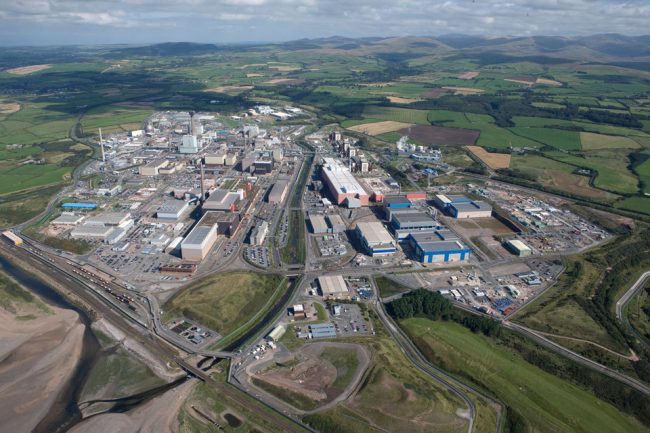
Sellafield £4.6 billion high hazard framework

Sellafield has awarded a new £4.6 billion high hazard risk reduction framework contract to Amentum (remediation and hazardous waste retrieval), Atkins Realis and Altrad (decommissioning and nuclear waste management.), through the Decommissioning and Nuclear Waste Partnership (DNWP).

The Decommissioning Alliance (TDA) is joint venture involving Amentum, AtkinsRéalis & Westinghouse, handling pond retrievals.

The framework agreement will focus on the retrieval, storage and treatment of waste materials from the oldest facilities on the site and will be in place for 15-years.

All the companies involved with develop a sustainability plan to enhance collaboration with local priorities, ROI and delivering impact.

James Riddick, Sellafield Ltd chief supply chain officer, said:

“Cleaning up the legacy of historic operations on our site is at the heart of our mission. It is important that we achieve this safely, efficiently, and sustainably – our supply chain, and this partnership plays a key role in that.

We’re pleased to welcome our new partners. Their specialist capabilities and teams, working alongside our skilled Sellafield workforce, will help us deliver our mission and drive progress both on site and across our wider community.

Just as importantly, these partners share our values and our commitment to creating lasting social value for the communities we serve.”

Check out the original release; https://www.gov.uk/government/news/sellafield-ltd-awards-high-hazard-risk-reduction-framework-contract

Picture: gov.uk

Open post

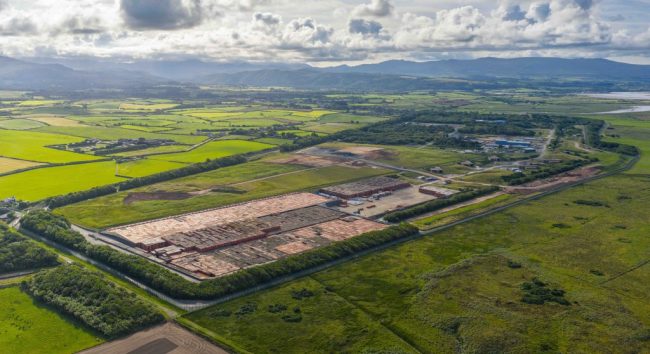
Cumbria’s low level radioactive waste disposal facility

Drigg, the UK’s only low-level radioactive waste repository, offers a striking example of long-term stewardship of nuclear byproducts — from its beginnings in 1959 through to planned closure by 2127, and full decommissioning by 2135.

The facility, managed by Nuclear Waste Services, operates vaults and legacy trenches, containerises waste in engineered concrete “bathtubs,” and is moving toward major milestones like capping vault 8 and the legacy trenches to secure protection across many generations.

🌳 What stands out is how Drigg balances rigorous safety engineering, regulatory oversight, and environmental care (including wildlife management and site monitoring), while adapting to external pressures — such as weather, coastal exposure, and evolving regulations. It demonstrates how nuclear waste infrastructure isn’t just about containment; it’s deeply about community trust, transparency, design for the far future, and the people who make all of this possible.

View the full article here.

Image taken from the above article, credit NWS

Scroll to top