
NASA’s Renewed Push into Space Nuclear Propulsion: What It Means for the Future Workforce
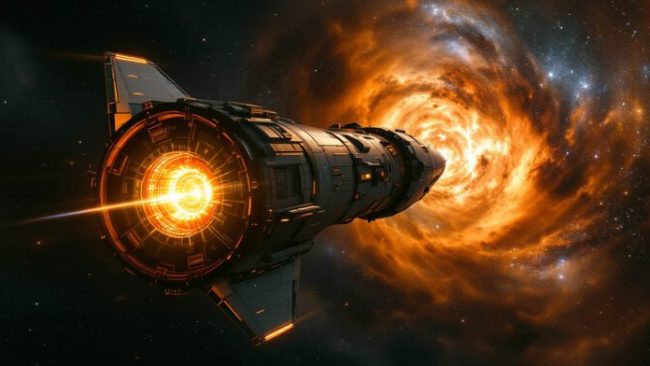
NASA has quietly crossed a threshold that the space and nuclear industries have awaited for decades; the first full‑scale testing of flight‑like nuclear rocket hardware since the 1960s. Recent cold‑flow test campaigns, conducted at the Marshall Space Flight Center using full‑scale, non‑nuclear reactor prototypes, mark a major inflection point in the revival of nuclear thermal propulsion (NTP) technologies
Across more than 100 tests, engineers demonstrated stable propellant flow, validated fluid‑dynamic behaviour, and confirmed reactor designs that resist destructive oscillations and pressure waves—issues that historically hindered earlier programs like NERVA. These results provide some of the most detailed performance data seen in over half a century.
But the significance goes far beyond a technical milestone; NASA is building the foundations for a new operational era in deep‑space travel. Nuclear propulsion promises dramatically shorter transit times, enhanced mission endurance, and larger payload capacities, critical enablers for human exploration of Mars and sustained operations in cislunar space.
At the same time, industry partners such as BWX Technologies and General Atomics are advancing reactor components and fuels capable of withstanding extreme hydrogen‑rich, high‑temperature environments. Some materials have now demonstrated survivability up to 3000 K, paving the way for engines two to three times more efficient than conventional chemical rockets.
While the cancellation of the DARPA–NASA DRACO in‑orbit NTP demonstration represents a near‑term setback for flight testing, the technical momentum has not slowed. NASA’s internal propulsion programmes and private‑sector innovators continue to build on the mature design data emerging from these recent campaigns.
Why This Matters for Nuclear Careers
Nuclear propulsion, once a historical footnote, is resurging as one of the most transformative technical domains for the next generation of engineers, scientists, and policy specialists.
Here’s what this means for our sector:
1. A New Talent Horizon
The integration of nuclear systems into human‑rated spacecraft requires nuclear engineers fluent in both terrestrial reactor principles and space‑environment constraints. Materials science, thermal‑hydraulics, radiation effects, and high‑temperature fuel fabrication are suddenly skills in high demand.
2. An Era of Cross‑Disciplinary Acceleration
Space nuclear propulsion is inherently multidisciplinary. Reactor physicists are collaborating with aerospace engineers; metallurgists are working with propulsion designers; regulatory thinkers are engaging with mission planners. Careers at this interface will define the next decade of innovation.
3. A Strategic Inflection Point
As travel times shrink and mission capabilities grow, nuclear propulsion becomes a strategic asset for national space ambitions. The workforce that develops, validates, and governs this technology will shape how quickly humanity reaches Mars and how sustainably we operate once we get there.
The Takeaway
NASA’s recent reactor test campaigns signal more than technological progress; they mark the re‑emergence of nuclear propulsion as a central pillar of exploration strategy. For professionals entering or advancing within the nuclear field, this is an unprecedented moment. The skills, creativity, and leadership developed within today’s nuclear workforce will directly influence humanity’s reach across the solar system.
This is not just about building rockets – it’s about building the future talent and expertise that will power the next leap forward.
Picture: zugtimes.com