Open post

A New Era for Nuclear

Why the IEA Says the Future is Powered by Atomic Ambition.

The global energy system is changing faster than at any point in modern history. According to the International Energy Agency’s latest analyses, electricity demand is rising at extraordinary speed, driven by industrial electrification, the expansion of electric mobility, rapid growth in air‑conditioning, and the surging energy needs of data centres and artificial intelligence. In this “Age of Electricity,” nuclear energy is emerging not just as a complement to renewables, but as a central pillar of a secure, resilient, and low‑carbon power system.

What is striking across the IEA reports is the consistency of their message; nuclear energy is not only growing – it is accelerating, and its importance is becoming strategically undeniable.

A Record‑Setting Decade Ahead

Global nuclear generation set a new record in 2025 and is on track to rise steadily through 2030. This momentum is powered by reactor restarts in Japan, stronger output in France, and significant new capacity in China, India, Korea and other emerging economies. China alone is expected to deliver around 40% of the global nuclear increase this decade.

By 2030, nuclear and renewables together are expected to supply half of the world’s electricity, up from 42% today, an extraordinary transformation in less than a decade.

And this growth isn’t just a statistical uptick. Nuclear’s average annual expansion is projected at 2.8%, more than double its growth rate in the first half of the 2020s. This marks the strongest surge in nuclear output in decades, signalling a structural shift in how governments and markets view the technology.

Why the World Needs More Nuclear—Fast

Electricity demand is expected to grow 2.5 to 3.5 times faster than total energy demand this decade as digital infrastructure, electric vehicles, and heavy industry rely increasingly on clean electrons. Data centres alone are emerging as a major new dedicated market for nuclear power.

This demand explosion underscores a wider truth; the global power system is being stretched to its limits. More than 2,500 GW of clean energy and load‑related projects are currently stuck in grid connection queues worldwide. The IEA stresses that to meet global needs, grid investment must grow by 50% by 2030. Nuclear’s round‑the‑clock, dispatchable output makes it uniquely suited to anchor this increasingly complex system, offering stability when weather‑dependent renewables fluctuate.

This grid‑flexibility challenge also presents an immense opportunity. As the IEA notes, with the right reforms, enhanced interconnection, advanced controls, and enabling regulation, over 1,600 GW of stalled projects could be brought online in the near term. Nuclear’s stable output, combined with its ability to pair with district heat, hydrogen production, and industrial processes, positions it as a cornerstone of this reliability revolution.

Small Modular Reactors: Catalyst for the New Nuclear Era

One of the most exciting narratives emerging from the IEA’s The Path to a New Era for Nuclear Energy is the accelerating progress of small modular reactors (SMRs). These advanced designs promise lower capital costs, shorter construction timelines, and applications tailored for industries, remote regions, and the rapidly expanding data‑centre economy. The first commercial SMRs are set to enter operation around 2030, and investor interest continues to rise across multiple markets.

The report highlights that more than 40 countries now have supportive policies for nuclear energy, a number not seen since the 1970s. Innovation in SMRs, alongside new financing models and public‑private partnerships, could unlock a “golden era” for nuclear technology over the coming decades.

A Global Workforce Moment

Behind every reactor restart, every new advanced design, and every gigawatt of rising capacity is a workforce, and the IEA is clear; the world will need more nuclear talent than ever. From engineering and construction to digital operations, cybersecurity, supply‑chain strategy, and fuel‑cycle innovation, the coming era of nuclear growth represents an unprecedented career opportunity.

The IEA emphasises that planning for workforce development is just as essential as financing and policy progress. Without the right talent pipeline and training infrastructure, nations risk missing the moment and the economic benefits that come with nuclear leadership.

An Optimistic Outlook for a Critical Decade

The overarching theme across these reports is unmistakable; nuclear energy is no longer a question mark in the future energy mix. It is a necessity, one backed by data, momentum, and global policy alignment.

With electricity demand soaring, climate targets intensifying, and grid systems in urgent need of firm, low‑carbon capacity, nuclear is stepping into a role that is both indispensable and transformative. The next decade will shape the future of global energy, and nuclear’s resurgence is not a tentative return – it is a confident stride into a new era.

For the nuclear workforce, this is a moment of unparalleled opportunity. The world is calling for a new generation of engineers, innovators, operators, and leaders. The question now is simple; Who will rise to power the future?

Picture: IEA

Open post

TEPCO’s Nuclear Fleet in 2026

Decommissioning at Fukushima, Restart at Kashiwazaki–Kariwa — and the Skills This Moment Demands

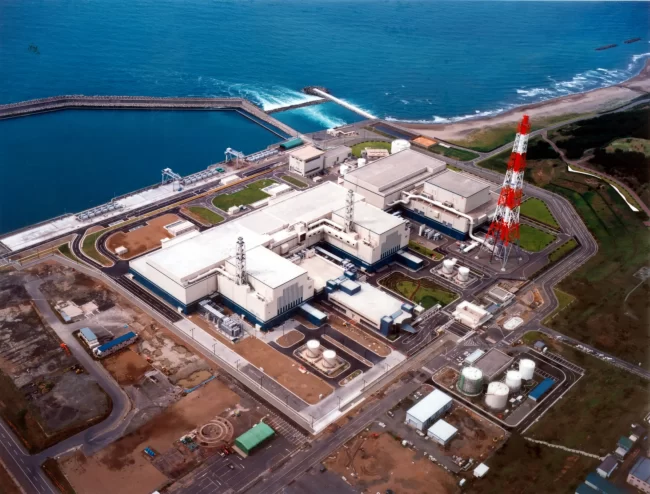
Tokyo Electric Power Company (TEPCO) sits at the centre of two of the most consequential nuclear workforce stories of our era; the multi‑decade decommissioning of Fukushima Daiichi and the restart of Japan’s largest nuclear station, Kashiwazaki–Kariwa (KK). TEPCO’s own “Nuclear Power Generation” hub lays out the company’s fleet, its BWR technology base, and the post‑accident safety reform agenda, context that is vital for anyone building a career or team in nuclear today.

At Fukushima Daiichi, the company continues a complex, multi‑pillar decommissioning program that includes contaminated‑water management, spent‑fuel removal, fuel‑debris retrieval, and waste handling, all under an evolving Mid‑and‑Long‑Term Roadmap led with government oversight. The official progress dashboard details this structure while showing unit‑by‑unit status and risk‑reduction priorities.

At Fukushima Daini, separate from Daiichi but equally significant from a workforce perspective, TEPCO formally decided in 2019 to decommission all four units, a move taken to align with community expectations and to coordinate human resources alongside the Daiichi program; follow‑on filings with METI codified the change in business operations.

Meanwhile, in Niigata Prefecture, Kashiwazaki–Kariwa has entered the restart phase following years of safety and security upgrades and local consultations, with Unit 6 starting up on January 21, 2026, then pausing after an alarm in the control‑rod operation monitoring system, and subsequently rescheduling restart activities for February with commercial operation targeted for mid‑March subject to inspections. TEPCO’s long‑paused Higashidori ABWR project, for its part, remains on the map in company materials as an essential future source even as the utility publicly emphasises restarts over new builds in the near term.

The Fukushima Daiichi story is, above all, a demonstration of decommissioning at industrial scale. TEPCO describes a program that advances along multiple fronts, contaminated‑water measures, spent‑fuel pool activities, debris retrieval, waste management, and continuous safety improvements, with the risk‑mitigation plan and schedule adjusted as new technical findings arise. Within that program, the first trial retrievals of fuel debris at Unit 2 were conducted in November 2024 and again from April 15 to 23, 2025, using a telescopic device to grasp and containerize small debris samples, historic milestones that validate tooling concepts, handling methods, and remote operations needed to scale future retrievals. The Fuel Debris Portal centralises these updates and lays out data and timelines as TEPCO moves from trials toward larger‑volume retrievals across units.

Another pillar of the Fukushima effort, ALPS‑treated water management, has proceeded with international oversight. Since August 2023, treated and diluted water has been released in batches with the International Atomic Energy Agency (IAEA) conducting independent sampling, on‑site measurements, and multi‑country laboratory corroboration; a sequence of 2025 reports reaffirmed consistency with relevant international safety standards, and an IAEA‑led mission in February 2026 carried out additional seawater and fishery product sampling with laboratories from several countries to support ongoing transparency.

For professionals, this phase underscores demand not only for engineering and operations but also for radiochemistry, environmental monitoring, and public communication disciplines that can withstand international peer review.

Kashiwazaki–Kariwa’s return to operation is equally instructive for careers and teams.

As one of the largest nuclear sites in the world, seven reactors and more than 8 GW of capacity, the station’s upgraded systems and defences reflect years of investment to meet stringent post‑Fukushima standards. The recent Unit 6 timeline captures the reality of complex restarts; after the January 21, 2026 reactor startup, an alarm the following day in the control‑rod operation monitoring system triggered a pause and root‑cause analysis that traced the behaviour to a new inverter detection function; TEPCO adjusted settings and staged a resumption on February 9, with power generation and grid synchronisation planned for mid‑February and a temporary shutdown for checks before the final inspection toward mid‑March commercial operation, all subject to regulatory confirmation.

The political pathway has also moved in tandem, with Niigata Prefecture signalling acceptance of restarts for Units 6 and 7 in late 2025, coverage that reflects the culmination of technical, regulatory, and community engagement processes converging on a restart decision. For practitioners, that convergence translates into immediate demand for operations readiness, probabilistic risk assessment, equipment reliability, severe‑accident and security upgrades, human factors and training, and supply‑chain QA/QC, especially for ABWR‑specific systems.

Fukushima Daini, while quieter in headlines than Daiichi, is an equally durable employer of decommissioning skills. TEPCO’s 2019 decision and subsequent “Basic Decommissioning Policies” place workforce planning at the centre, explicitly acknowledging the need to sequence resources across both Fukushima sites and to involve local companies in dismantling and materials management to support regional revitalisation. That, in turn, builds multi‑decade opportunities in industrial safety, spent‑fuel logistics and dry storage, waste characterisation and packaging, contracting and procurement, and sustained community liaison – capabilities that will find markets far beyond Fukushima as the global D&D pipeline grows.

Higashidori provides a useful reminder that Japan’s future options still include new ABWR capacity even if TEPCO’s near‑term strategy emphasises restarts. The company’s site description frames Higashidori as an essential future source for stability, environmental performance, and economics, while industry reporting in 2025 conveyed TEPCO’s focus on bringing idled reactors like Kashiwazaki–Kariwa back online before undertaking new‑build commitments. For career planning, that means individuals who can navigate both restart regimes and long‑lead development processes will be particularly valuable when the investment window reopens.

Across these programs, the skills mix that the moment rewards are shifting from narrow specialisation toward integrated proficiency at the interface of technology, regulation, and public trust. Decommissioning success increasingly depends on tele‑operated tooling, remote characterisation, cutting and segmentation, dose modelling, and graded QA in unique waste streams, combined with the kind of environmental science and data transparency required for IAEA‑grade corroboration and inter‑laboratory comparisons.

On the operations side, restart readiness favours engineers who can update PRA models, execute EOP/SAMG drills, integrate cybersecurity with physical protection, sustain configuration management, and tune human performance programs to BWR/ABWR specifics, a capability set made vivid by the Unit 6 inverter‑detection episode and TEPCO’s methodical diagnostic and governance response.

Regulatory and stakeholder fluency is no longer optional, either, as prefectural assemblies and local governments weigh consent; the Niigata pathway shows that consistent engagement and clear safety cases are part of the technical work.

Roles emerging as high‑impact in the 2026–2030 horizon reflect that blend. Decommissioning systems engineers who can integrate manipulators and crawlers, design mock‑ups, and drive ALARA outcomes in constrained, high‑radiation spaces are already pivotal at Daiichi.

Radiation protection specialists and environmental scientists who can manage dose fields while implementing marine sampling and ALMERA‑aligned chains of custody are in demand as international missions expand.

Waste strategy leaders who can characterise, condition, and route novel streams with meticulous QA are building templates that other sites will adopt.

On the restart side, BWR/ABWR‑savvy start‑up test engineers capable of running cold and hot functionals, diagnosing anomalies under schedule pressure, and documenting to regulator‑ready standards are essential at KK.

Finally, regulatory affairs and community engagement specialists who can sustain consent through precise safety communication and coordination with emergency‑planning stakeholders are now as core to program success as any technical discipline.

All of this sits within a global market that is tightening for experienced nuclear talent. The World Nuclear Association’s 2025 performance reporting shows nuclear generation reaching a new record of roughly 2,667 TWh in 2024, with more than 70 reactors under construction, momentum that amplifies competition for people who have lived restart or decommissioning cycles.

For candidates, the most persuasive currency is documented problem‑solving under oversight; the ability to point to a safety or quality gap you closed, with an evidence trail and artifacts that would satisfy a regulator or IAEA reviewer.

For employers, the investment case is clear: establish training pipelines that pair junior professionals with veterans of Fukushima D&D and KK restart preparations, because the window to transfer that institutional knowledge is open but not forever.

If you want to go deeper into the source material, TEPCO’s Nuclear Power Generation overview and it’s Our Business, Nuclear safety reform pages provide the corporate baseline, while the Fukushima Daiichi decommissioning dashboards and Fuel Debris Portal give program‑level granularity. For the restart picture, TEPCO’s Kashiwazaki–Kariwa updates and industry coverage from late 2025 through early 2026 trace the technical and local‑consent sequencing, and the IAEA’s ongoing updates and missions offer independent context on treated‑water monitoring and environmental safety. And for Fukushima Daini’s long‑horizon decommissioning market, the 2019 decisions and policy documents remain the foundation for workforce and supply‑chain planning.

The final takeaway is straightforward. For individuals, cultivate experience that shows you can deliver under high scrutiny, and learn to communicate your technical work in the language of verification and stakeholder trust. For organisations, build teams that marry restart readiness with decommissioning discipline, and formalise mentorship before today’s practitioners retire and the learning curve steepens again. TEPCO’s evolving story is more than news; it is a talent blueprint for the next decade of nuclear.

Picture: TEPCO
Open post

Proposals to Extend Sizewell B Operations

Sizewell B: A Defining Test for the UK’s Nuclear Future

A Strategic Pivot Toward Long-Term Nuclear Reliability

Across government, industry, and the specialist press, one message is unmistakable, Sizewell B is becoming the cornerstone of Britain’s nuclear resilience for the 2030s and beyond.

According to Nuclear Engineering International, EDF has now made extending Sizewell B’s life to 2055 a top national priority, driven by the plant’s exceptional performance and the urgent need to stabilise the UK’s low‑carbon power mix.

In 2025, Sizewell B delivered a 99% load factor and generated 10.4 TWh, accounting for over 30% of total UK nuclear output, a remarkable figure for the country’s only pressurised water reactor. EDF argues the extension is viable but dependent on agreeing a commercial model that would unlock £800m of required investment.

This investment sits within a wider programme of fleet stewardship. EDF has already invested £8.6bn in the UK’s nuclear stations since 2009 and plans a further £1.2bn between 2026–28 to maintain generation and energy security while the ageing AGR fleet winds down.

Government Negotiations Signal Nuclear’s Central Role in Energy Security

Reporting from the Financial Times (via IndexBox and Bloomberg summaries) indicates that the UK government is now in active talks with EDF and Centrica to secure the £800m investment package needed for long‑term operation, an agreement that could crystallise in the coming months. The proposal centres on a Contract for Difference (CfD) to stabilise revenue and reduce commercial risk, echoing the contractual frameworks used for large renewable projects.

Why the urgency? Analysts highlight an approaching crunch; multiple reactors are retiring, while new capacity at Hinkley Point C and Sizewell C is unlikely to generate before 2030 at best. Extending Sizewell B to 2055 would plug a looming reliability gap just as wind and solar scale but remain intermittent. Nuclear generation dropped in 2025, forcing greater gas use and pushing up emissions, adding weight to the case for reliable baseload.

For policymakers, Sizewell B is increasingly seen not merely as a plant extension, but a strategic lynchpin in achieving a clean, firm power grid by the end of the decade.

Workforce, Regional Growth and the Nuclear Skills Pipeline

BusinessGreen reports that the Sizewell B extension would secure around 600 long‑term jobs on site through to 2055, reinforcing Suffolk’s ambition to become the UK’s premier nuclear hub. The investment, spread over 10–15 years, would fuel ongoing upgrade cycles and expand opportunities for nuclear apprenticeships, specialist contractors and supply‑chain SMEs.

Local industry leaders emphasise that sustaining Sizewell B aligns with wider regional economic planning: supporting a multi‑reactor cluster by the 2030s, strengthening the East of England’s low‑carbon leadership, and ensuring alignment between business, education and policymakers in developing the nuclear talent pipeline.

For the nuclear workforce, this is a generational opportunity; continuity of operations, major upgrade programmes, and the chance to embed world‑class skills across engineering, safety, digital systems, and operational excellence.

Why This Matters for the UK’s Nuclear Workforce

1. A Living Case Study in Long-Term Operation (LTO)

Sizewell B’s extension would place the UK among an international cohort of operators successfully running PWRs beyond 60 years. This strengthens domestic expertise in ageing management, component upgrades, and regulatory assurance, core competencies for future reactors.

2. A Catalyst for Skills Development

Sustained employment, multi‑cycle outage work, and integration with the Sizewell C programme create a multi‑decade skills horizon rarely seen in the UK energy sector.

3. A Platform for Policy and Investment Stability

A CfD‑style mechanism for nuclear life extension could set a precedent for future large‑scale refurbishments, offering engineers and early‑career professionals’ greater certainty in career planning.

The Bottom Line

Sizewell B’s proposed life extension is more than a technical upgrade; it is a defining moment for the future of the UK nuclear profession. The intersection of reliability needs, investment negotiations, regional workforce benefits, and long‑term energy strategy positions this project as a bellwether for the industry’s next chapter.

For nuclear professionals, educators, and employers, the coming decisions around Sizewell B will shape not only the UK’s energy resilience, but also the direction of careers, innovation, and capability-building for the next 30 years.

Picture: EDF Energy

Open post

Nuclear Week in Parliament

Nuclear Week in Parliament is an annual event taking place throughout the Palace of Westminster, hosted by the Nuclear Industry Association.

We spent time during the afternoon at the AECOM sponsored panel session which was supported by Baroness Bloomfield and Lord Iain McNicol.

Richard Whitehead, CEO of AECOM, gave an introduction that commented about having a focus on delivery, turning ambition and strategy into tangible actions.

Cameron Tompkin added that we have seen projects hampered by delays and cost overruns which in turn has affected local jobs, all while infrastructure has been getting bigger and more complex. The Prime Minister’s nuclear focus was mentioned as positive and the creation of groups such as NISTA is a positive move. Faster and better regulations with the ability to foster new technologies will put the UK in a powerful position.

Panellists included David Schofield, Chief Geologist, Nuclear Waste Services; Sarah MacGregor, Forests with Impact Programme Director and Head of Social Sustainability at Sunbelt Rentals UK & Ireland; Paul Roberts, Business Director for Decommissioning and Site Services, Nuvia; Eloise John, Energy Director, AECOM.

A few recurring topics surfaced during the talk such as the need to bring in new people to diversify the industry and the skills base. This is going to be crucial if we are going to meet the growing demand for talent and if we want to meet project obligations head on efficiently.

Embedding a culture of knowledge sharing, making the most of AI and digital transformations will all be critical aspects of project success. Shared goals must align up front and be smart all while understanding that technology/AI won’t be replacing experts but will; however, be utilised to support us to be more productive.

Collaboration with industry is fundamental to successful delivery and with a sharper eye on sustainability, strategies must be incorporated into project planning and ensuring there is a strong bids & tenders process.

All in all, we felt that people do want to move forward with a new sense of unison while also understanding that we need to tweak the way we bring talent into the industry. 2025 saw us build foundations and 2026 will be a make-or-break year for talent sourcing and retention.

Reach out to us today to find out how we can help support your recruitment and hiring strategies. Whether you need an in-house consultant or you require a retained talent search, we have the expertise to help you hire the right people today.

Open post

Nuclear Futures for a Better Tomorrow

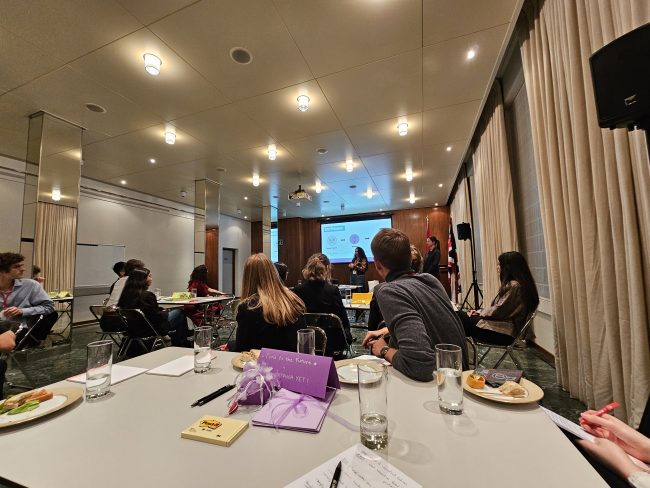
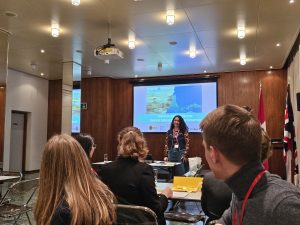
London Youth Foresight Workshop took place on Monday 03/11 and was focused on the nuclear future by exploring 4 different scenarios.

The event was hosted by the Swiss Embassy in London and organised by the School of International Futures (SOIF) and the Next Generation Foresight Practitioners (NGFP).

SOIF is a global non-profit transforming futures for current and next generations and NGFP is a network of over 900 people from all over the world who are using futures and foresight to create positive impact and systemic transformation globally.

The 4 scenarios were Growth: Nuclear Renaissance 2050, Collapse: Nuclear Chaos 2050, Discipline: Nuclear Control 2050, Transformation: Beyond the Nuclear – Regenerative Futures 2050. All thought provoking topics and future scenarios that enabled the ~24 participants to consider & discuss what the nuclear future could look like.

The drivers and trends to consider included, but were not limited to private sector involvement, international collaboration, public education & awareness, intergenerational partnerships, economic interests, technical advancements and the environment.

We were focused within the growth scenario where we explored a future in which nuclear energy gains renewed importance due to increasing energy demands, technological progress and private investments.

Nuclear infrastructure is massively expanded, modular reactors are rapidly developed, and artificial intelligence manages monitoring, safety, and efficiency. National interests and fragmented international cooperation lead to regulatory gaps, while geopolitical tensions and an arms race shape global order.

Public concern about risks and the environmental impacts coexists with the acceptance of nuclear energy; the shortage of skilled workers is addressed through education and knowledge management.

Energy supply, technological innovation, and safety are closely interconnected, yet the system remains vulnerable. A world that grows and renews itself technologically but stays fragile.

We are left contemplating the future we will end up in and found this a really thought-provoking, and interesting workshop to be involved with.

Front Page – School of International Futures
Home – NGFP

Scroll to top