Open post

Radioactive Waste Storage in Croatia

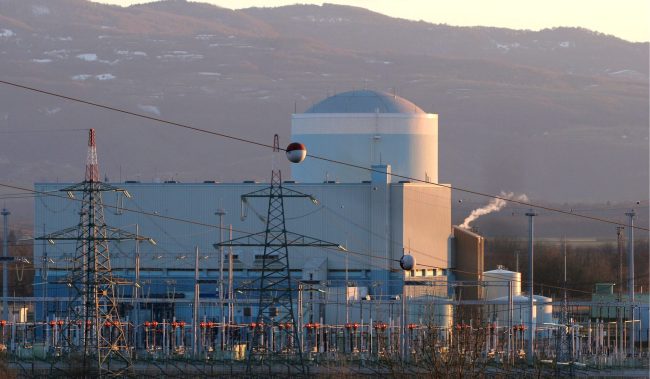
Croatia’s parliament has advanced a crucial and controversial initiative, a low to intermediate-level radioactive waste storage facility at Čerkezovac on Trgovska Gora, a former military base near the Bosnian border.

The decision enacts a long-discussed state strategy, serving national and cross-border obligations, yet simultaneously spotlighting regional diplomacy, environmental stewardship, and the role of community engagement in nuclear infrastructure development.

A Strategic Move: Obligations & Infrastructure

Under a bilateral agreement with Slovenia, Croatia is responsible for half of the Krško Nuclear Power Plant’s low- and intermediate-level nuclear waste. The new legislation establishes a regulatory framework to build the Čerkezovac facility that is projected to operate for 40 years before permanent disposal options become available.

Located within a 60‑hectare former army barracks, about 5 km from the nearest Croatian town, Croatians argue it offers existing logistical advantages.

An environmental impact assessment is required before construction, and initial shipments are anticipated around 2028.

Cross‑Border Tensions & Trust Deficit

Bosnia and Herzegovina have raised significant safety concerns, given the site is less than 1 km from Novo Grad’s water wells and just a few kilometres from high schools and the city centre, potentially affecting 250,000 residents.

Bosnian officials cite violations of the Espoo Convention, calling for comprehensive transboundary consultation. Citizens warned Croatia’s legislation circumvents these obligations.

Environmental & Social Concerns

NGOs like Eko Kvarner and various local stakeholders voice frustration at rushed communications and possible devaluation of surrounding properties, forests, farmland, and recreational zones alike.

Although safety assurances cite global best practices, critics warn that rapid cost minimisation often compromises environmental safeguards.

Political and Regulatory Responses

Croatia’s Prime Minister emphasises rigorous safety standards, reiterating no risk to their own or neighbouring populations.

Bosnia’s Foreign Trade Minister officially questions the site’s suitability and seeks EU intervention. In response, Croatia’s waste‑management authority insists full compliance with EU norms, with Bosnia formally invited into the environmental assessment process.

Key Implications for Nuclear Professionals

  • Navigating Cross-Border Dynamics: This case underscores how nuclear infrastructure can quickly evolve into international flashpoints and understanding conventions like Espoo is essential.
  • Importance of Early Engagement: Effective, transparent community and stakeholder communication remains vital especially in proximity to sensitive or protected regions.
  • Balancing Safety and Economics: Deploying global best practices demands investment. The tension between project cost and environmental rigor can’t be ignored.
  • Policy & Technical Integration: Engineering excellence alone is insufficient. Mastery of legal frameworks, diplomacy, and risk perception is equally mandatory.

Final Reflection

Croatia’s Čerkezovac project exemplifies the multi-dimensional challenge of nuclear waste management; technical, geopolitical, environmental, and societal forces converge. For professionals in the nuclear sector, it’s a compelling reminder that success depends not only on engineering acumen, but also on stakeholder alignment, regulatory navigation, and the foresight to see beyond borders.

Picture: EPA/Stringer
Open post

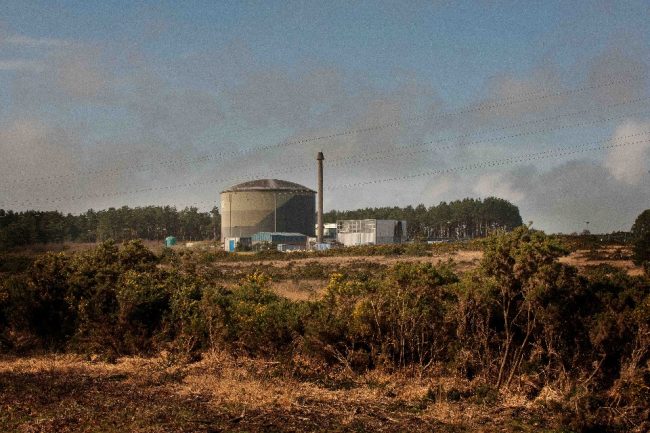
Dismantling the Dragon at Winfrith

Located in Dorset and constructed in the 1950’s as a centre of excellence for nuclear reactor research. Dragon was a 20-megawatt power output graphite moderated, helium cooled prototype reactor.

Seven of the nine experimental reactors have been dismantled, and the project is currently at the first of eleven phases to fully dismantle the core.

Nuclear Restoration Services (NRS) are driving innovation forward with this project and Phoebe Lynch, NRS strategic innovation programme manager, said: “All the learning from the initial operational phase of using laser cutting for the Dragon reactor core provided valuable insights into the feasibility, reliability and safety of this technique.”

Over the next few years, the core will be packed into 6m3 concrete intermediate level waste storage boxes, and these will be taken to the Harwell Science & Innovation Park in Oxfordshire.

The long-term aim is that this highly radioactive waste will be permanently stored in the geological disposal facility (GDF) once it is available.

Picture: gov.uk


Open post

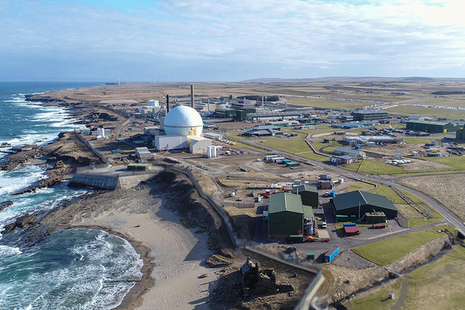
Dounreay Clears Away Nuclear Waste

Dounreay was established in 1950’s and in 1954 it was chosen as the site for a new type of reactor, the fast breeder reactors.

Until 1994 it was the place for fast reactor research and development where it had a vital role in advancing nuclear technology. This was led by the UK Atomic Energy Authority (UKAEA).

At the end of the 1980’s, when the UK pulled out of continuing its use of fast reactors, it was shut down and so began its journey as a decommissioning site. The Nuclear Decommissioning Group (NDA) took over the site in 2005.

To counteract the lack of business from fast reactors, the site looked to the oil and gas sector. Handling radioactive materials from the gas pipework that got built up due to radioactive material beneath the seabed.

Earlier this week it was announced that the last 29 containers of low-level waste have been removed from the decommissioning site. The site is undergoing construction, demolition and cleanup work to ensure the site and its parts are safe for future generations.

Nuclear Restorations Services (NRS), Nuclear Waste Services (NWS) and contractor Augean have worked together to complete the safe transfer of the containers.

Picture: gov.uk

Open post

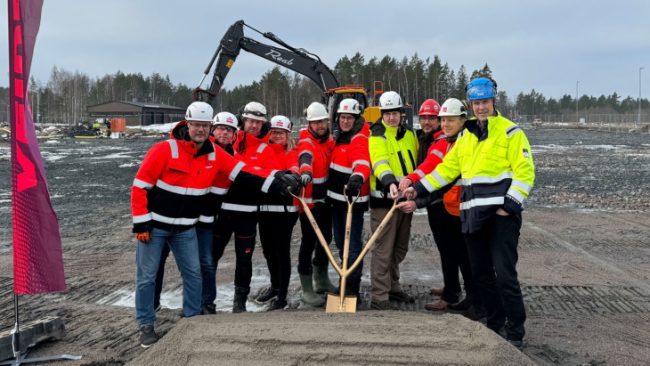
Sweden’s Radioactive Waste Repository

Forsmark is home to one of the world’s first repositories for spent nuclear fuel.

Sweden is one of the leading countries when it comes to nuclear waste management and SKB has developed a process for safely storing radioactive waste.

Machinery is on site digging gravel and groundwork has begun on site to prepare for bridge construction. The site is right next door to the Forsmark power plant which should mean logistics are more straight-forward.

The area is 24 hectares; however, the impressive part if what will be 500-metres deep underground; more than 400 hectares that will include 60km of tunnels.

Sweden has 12 commercial reactors in total with 6 still in operation and this will be home to all of their high-level waste.

Excavation work will be completed in stages up until the 2080’s and the first deposited waste will be within the 2030’s.

“While we have been waiting for a decision, we have continued to work on technology development and optimisation,” says SKB’s CEO Stefan Engdahl. We have been able to do what we have been doing for 40 years – research and develop the solutions needed to fulfil our mission: to manage and dispose of operational waste, demolition waste and spent nuclear fuel from our owners.”

Read more here; https://group.vattenfall.com/press-and-media/newsroom/2025/one-of-the-worlds-first-final-repositories-for-spent-nuclear-fuel-is-being-built-in-forsmark

Picture: SKB

Open post

Solidifying Hanford waste in glass

The Hanford site, based in Benton County, Washington, has started up its low-level waste facility where a crucial element of the plant is solidifying the Hanford tank waste in glass.

The Hanford waste treatment plant is designed to safely process 56 million gallons of radioactive waste that is stored in its tanks.

This site was initially used for plutonium production during WWII and the Cold War, and it is now critical that the site addresses its environmental legacy through the plants primary mission to safely treat and stabalise radioactive & chemical waste through a process called vitrification. The waste gets mixed with glass-forming materials and heated to ~2,100 degrees Fahrenheit to create a stable glass form.

“The Hanford Waste Treatment and Immobilization Plant represents a monumental effort in environmental remediation, aiming to mitigate the risks associated with decades of nuclear waste storage. With ongoing advancements and successful operational milestones, the plays a crucial role in the long-term cleanup and safety of the Hanford Site and surrounding communities”

https://www.hanfordvitplant.com/newsroom/the-hanford-site-begins-solidifying-tank-waste-in-glass

Picture from: Hanford Vit Plant

Open post

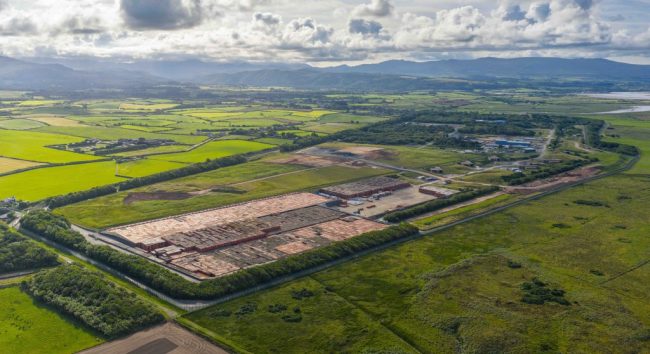
Cumbria’s low level radioactive waste disposal facility

Drigg, the UK’s only low-level radioactive waste repository, offers a striking example of long-term stewardship of nuclear byproducts — from its beginnings in 1959 through to planned closure by 2127, and full decommissioning by 2135.

The facility, managed by Nuclear Waste Services, operates vaults and legacy trenches, containerises waste in engineered concrete “bathtubs,” and is moving toward major milestones like capping vault 8 and the legacy trenches to secure protection across many generations.

🌳 What stands out is how Drigg balances rigorous safety engineering, regulatory oversight, and environmental care (including wildlife management and site monitoring), while adapting to external pressures — such as weather, coastal exposure, and evolving regulations. It demonstrates how nuclear waste infrastructure isn’t just about containment; it’s deeply about community trust, transparency, design for the far future, and the people who make all of this possible.

View the full article here.

Image taken from the above article, credit NWS

Scroll to top