Open post

Microsoft is First tech Firm to Join WNA

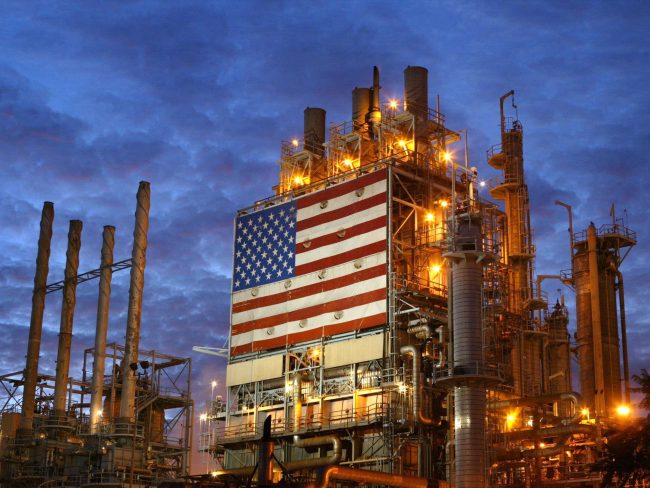
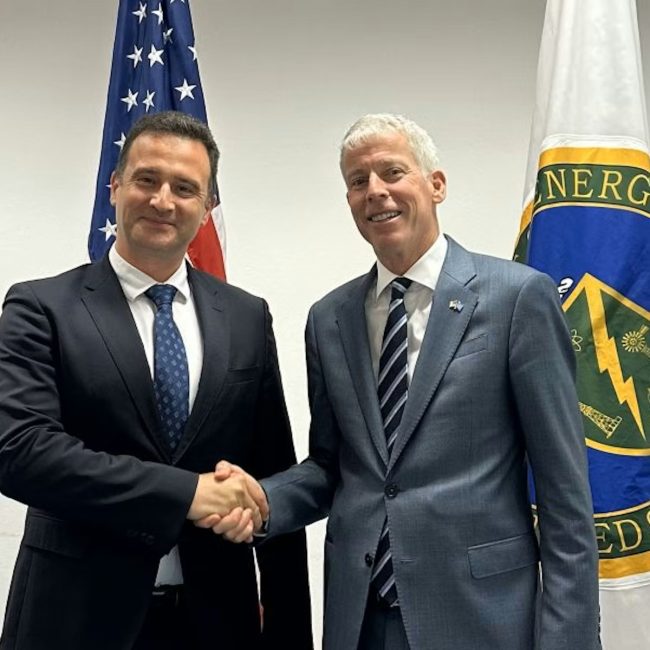
Microsoft joins the World Nuclear Association (WNA), and this seems like a huge milestone for the nuclear sector. When it comes to carbon-free energy technology utilisation, this is exciting!

When you think of one of the world’s leading, most highly thought of and expert tech companies, you combine that with the nuclear sectors’ track-record of delivery, it’s a brilliant strategic moment.

To meet the demands and needs of the digital economy there really is only one energy source that will keep pace, nuclear. We have ambitious climate goals coupled with an increasing demand where technology usage is concerned, and not enough power for renewable alone to handle.

Nuclear energy will be the main, consistent and reliable source for us to rely on, and we will wait to see who else follows Microsoft’s lead.

Picture: World Nuclear Association

Open post

ENEC-KEPCO to Advance Nuclear Energy & AI

An MoU has been signed between Emirates Nuclear Energy Company (ENEC) and Korea Electric Power Corporation (KEPCO).

This agreement will extend the cooperation between the two for the United Arab Emirates’ (UAE) and the Republic of Korea’s civil nuclear fleets.

After successfully delivering the Barakah Nuclear Energy Plant this new MoU will further their strategic relationship aiding towards joint assessment of Small Modular Reactors (SMRs), reactor systems, safety research, waste management, and fuel cycle transformation.

The AI and digital part of the agreement will include AI-driven maintenance, digital twins, machine learning, and plant optimisation.

Picture: ENEC

Open post

Holtec at Times Square

“Mega-billion” nuclear construction programme needs private investment and the public markets to support Holtec’s SMR-300 reactors.

Set to be repowered by the end of 2025, the Palisades Energy plant in Michigan will officially return to operational status.

This is a significant milestone in global nuclear energy news and is making strong progress towards achieving this goal.

The executive team were in New York City to celebrate Climate Week back in September this year with the Holtec team highlighted for its dedication to clean energy.

Visit this link; https://holtecinternational.com/2025/09/29/hh-40-21/

Picture: Holtec

Open post

Enriched Lithium: Advanced Nuclear & Fusion Energy

The Hidden Key.

Enriched lithium is a fundamental element for next-generation nuclear energy—integral to both fusion fuel cycles and advanced reactor cooling. Advancing lithium isotope separation technologies and building secure supply chains are critical to unlocking the full potential of fusion and modern fission infrastructures.

The Enrichment Challenge

Historically, lithium isotope separation relied on COLEX (column exchange), a mercury-based process now banned for environmental reasons. Today, the industry is pivoting to cleaner, scalable methods:

  • AVLIS (Atomic Vapor Laser Isotope Separation): Laser-based enrichment with high precision.
  • Electrochemical Separation: Mercury-free, using advanced materials like zeta-V₂O₅ for isotope selectivity.

Companies like Hexium are investing in these technologies to secure supply chains for future nuclear and fusion projects.

Why Lithium Matters in Next-Generation Energy

As the world accelerates toward clean energy solutions, enriched lithium is emerging as a critical enabler for both advanced nuclear reactors and fusion power plants. Its unique isotopes—Lithium-6 (Li-6) and Lithium-7 (Li-7)—play distinct roles in fuelling innovation and ensuring operational safety.

Lithium-6: Powering Fusion Through Tritium Breeding

Fusion energy promises limitless, carbon-free power, but it hinges on one scarce resource: tritium. Tritium doesn’t occur naturally in significant quantities, so fusion reactors must breed it internally. This is where Li-6 steps in:

  • Tritium Production: Li-6 reacts with high-energy neutrons inside breeder blankets to produce tritium and helium.
  • Essential for Self-Sufficiency: Without Li-6, fusion plants cannot sustain their fuel cycle.
  • Scale of Demand: A single demonstration fusion plant may require 10–100 tonnes of enriched Li-6, while commercial-scale reactors could need hundreds of tonnes.

Lithium-7: Supporting Advanced Fission Reactors

Li-7 is equally vital for advanced fission technologies, particularly Molten Salt Reactors (MSRs) and Pressurized Water Reactors (PWRs):

  • Coolant Chemistry: Li-7 maintains stable pH in reactor coolants, preventing corrosion and ensuring safety.
  • Molten Salt Reactors: Li-7-enriched salts act as heat transfer media and neutron moderators, enabling high-efficiency designs.

New career pathways are opening up in the nuclear industry. We are passionate that industry and educational institutions collaborate more to ensure people know about emerging careers while we are also working towards meeting future demands.

Open post

RWE Nuclear and Focused Energy Fusion at Biblis

RWE Nuclear and Darmstadt-based fusion tech company Focused Energy have signed a Memorandum of Understanding to collaborate on a pioneering pilot project at the Biblis decommissioning site. The initiative will explore the use of Laser Driven Radiation Sources (LDRS)—a cutting-edge imaging technology derived from laser fusion research—for potential applications in nuclear decommissioning.

The project aims to demonstrate how LDRS can enable non-destructive material testing with higher resolution and deeper penetration than conventional methods. RWE will provide infrastructure, including the repurposing of a former emergency feed building, and supply non-radioactive test materials. The collaboration is supported by the Hessian Ministry for the Environment.

This partnership not only advances fusion-related innovation but also reinforces Germany’s role in foundational nuclear research.

Visit; https://www.rwe.com/presse/rwe-nuclear/2024-07-01-rwe-nuclear-und-focused-energy-unterzeichnen-absichtserklrung/

Picture: RWE

Open post

ZNPP successfully reconnect Ukraine’s electrical grid

The Zaporizhzhya Nuclear Power Plant (ZNPP) in Ukraine has been successfully reconnected to the national grid after enduring a full month without external power.

This reconnection was made possible through repairs conducted under a locally negotiated ceasefire, facilitated and monitored by the International Atomic Energy Agency (IAEA).

The restored 750 kV Dniprovska power line now supplies the electricity needed to cool the plant’s six inactive reactors and spent fuel, allowing the shutdown of emergency diesel generators that had been sustaining the site.

This marks the tenth—and longest—complete loss of off-site power for ZNPP since the conflict began.

The IAEA praised technicians on both sides of the frontline for their cooperation and resilience in restoring power under challenging conditions.

Further repairs are planned for the damaged Ferosplavna-1 line, with the IAEA continuing to advocate for adherence to its Five Concrete Principles to prevent nuclear accidents, especially the protection of off-site power.

https://www.iaea.org/newscenter/pressreleases/update-323-iaea-director-general-statement-on-situation-in-ukraine


Picture: IAEA / ZNPP / UKRINFORM

Open post

Finland is “the most prepared” for fusion

Nordic Fusion Prospects: VTT Report Highlights Best Locations for Pilot Reactor.

A new report by VTT Technical Research Centre of Finland, commissioned by Novatron Fusion Group (NFG), identifies the most promising Nordic locations for a pilot fusion reactor. As fusion energy edges closer to commercial viability, the study evaluates Denmark, Finland, Norway, and Sweden for their readiness to host such a facility.

Key Findings:

  • Finland leads in regulatory preparedness, with reforms to its Nuclear Energy Act expected by 2027.
  • Top candidate regions include:
    • Helsinki metropolitan area (Finland)
    • Stockholm–Nyköping corridor (Sweden)
    • Copenhagen–Malmö region (Denmark/Sweden)
  • Ideal sites are near industrial zones with strong transport links and proximity to research hubs.

The report emphasizes the importance of cross-border collaboration, legislative clarity, and strategic planning to accelerate fusion deployment. NFG’s magnetic mirror reactor concept aims to deliver cost-effective, clean energy, with pilot construction targeted for the 2030s.

Energy company St1 has invested €13 million in NFG, reinforcing the region’s commitment to fossil-free energy innovation.

“Fusion breakthroughs are no longer theoretical,” said Finland’s Climate Minister Sari Multala. “The Nordics are ready to lead.”

Read the full report here.


Picture from: VTT

Open post

Sizewell C signs fuel contract with Urenco

Urenco has signed a multi-year agreement for enriched uranium services with Sizewell C.

This new contract will support the first six years of the 3.2 GW power station’s operation and will be serviced mainly from our Capenhurst site in the UK.

Framatome has, meanwhile, signed a nuclear fuel fabrication contract with Sizewell, and both mark a major step forward in strengthening the UK’s energy security.

The announcement was made on Monday, October 13.

Urenco CEO Boris Schucht said: “The importance of Sizewell C in the UK’s energy future cannot be underestimated, and Urenco is proud to have been selected as the fuel supplier of choice.

“This will support the millions in economic contributions we make to the UK every year through the enrichment site we have in Cheshire, one of four such sites we have globally, as well as helping to grow skills in the nuclear industry, create jobs and strengthen supply chains.”

See the full announcement here.

Picture from Sizewell C. Story from Urenco

Open post

The nuclear industry is powering up — and new opportunities are emerging across every stage of the fuel supply chain!

BWXT has been awarded a new contract to supply depleted hashtaguranium components — a move that reinforces the strategic importance of strengthening the nuclear fuel supply chain. This award highlights growing investment in advanced fuel cycle capabilities, ensuring the materials and technologies needed to power the next generation of nuclear reactors.

As the industry expands, opportunities are emerging across every part of the value chain — from engineering and manufacturing to logistics, safety, and operations. At Nuclear Careers, we’re helping connect skilled professionals with the organisations leading this transformation.

👉 If you’re ready to plan your talent & skills strategy, we can help.

👉 For candidates interested to play a role in shaping the future of clean, secure energy, now is the time to get involved.

Image credit from above article: https://www.neimagazine.com/
Scroll to top