Open post

Eskom Charts a Bold Course for South Africa’s Next Nuclear Era

With environmental assessments underway for a third nuclear power station, the utility faces a delicate balance between energy security and ecological stewardship.

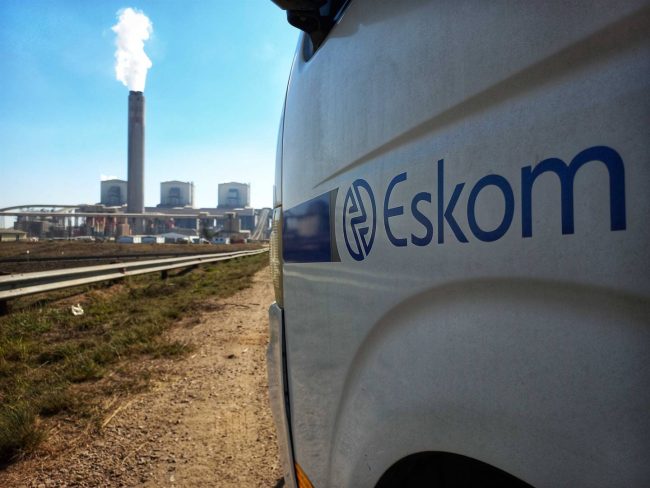
Eskom is poised to steer South Africa into a new chapter of its nuclear journey, having officially launched the Environmental Impact Assessment (EIA) process for a prospective third nuclear power station.

Building on the momentum of its second plant at Duynefontein, which received final environmental clearance just four months ago, Eskom is now considering two coastal sites: Thyspunt in the Eastern Cape and Bantamsklip near Dyer Island in the Overberg region. This facility is envisioned to deliver a commanding 5,200 MW of capacity, signalling a bold leap in the nation’s energy strategy.

To guide this pivotal decision, Eskom appointed WSP Group Africa as the independent Environmental Assessment Practitioner (EAP). A virtual pre-application meeting outlined the “exceptionally tight” approval schedule mandated by national regulations. The primary goal is to achieve environmental authorisation from the Department of Forestry, Fisheries and the Environment (DFFE) by February 2027, with potential appeals resolved by May 2027.

Beyond environmental scrutiny, Eskom will also pursue heritage clearance, water-use licencing, coastal discharge permits, and a site license from the National Nuclear Regulator.

While Thyspunt and Bantamsklip were both previously shortlisted for South Africa’s second nuclear site, ultimately awarded to Duynefontein, the new assessment has resurrected old debates around ecological, social, and heritage concerns.

Bantamsklip, positioned near an internationally important marine ecosystem hosting roughly 1,000 breeding pairs of critically endangered African penguins, southern right whales, Cape fur seals, sharks, dolphins, and abalone, has attracted intense scrutiny. Conservationists are deeply concerned about sediment upheaval, underwater noise, chemical effluents, and potential thermal impacts on marine habitats. There is also alarm over sand disposal and the threat it poses to kelp forests, which underpin local fisheries and tourism.

Amid these ecological fears, Dyer Island Conservation Trust and Thyspunt Alliance have pledged renewed advocacy and legal resistance, recalling previous project delays on similar grounds.

Eskom, for its part, insists the new EIA will integrate lessons from prior processes and apply a comprehensive, “technology envelope” to accommodate unknown reactor types, aiming to balance thorough baseline studies, ranging from seismic and hydrological assessments to marine biology, with innovative energy planning.

At this stage, discussions remain conceptual: no reactor technologies have been finalised, nor have financing or ownership structures been detailed. Yet the ambition is clear.

Embedded in the broader Integrated Resource Plan 2025, which targets 105 GW of new generation capacity by 2039, this nuclear initiative forms a cornerstone of Eskom’s Nuclear Industrial Plan, designed to re-anchor national nuclear expertise and enhance energy security.

As South Africa balances its pressing energy needs with ecological responsibility, the next 18 months of regulatory review, public input, and environmental due diligence will shape both the outcome and global leadership signal this project embodies.

Picture: Eskom

Open post

Doel 2 in Belgium to Close

The End of an Era: Doel 2 Retires After 50 Years.

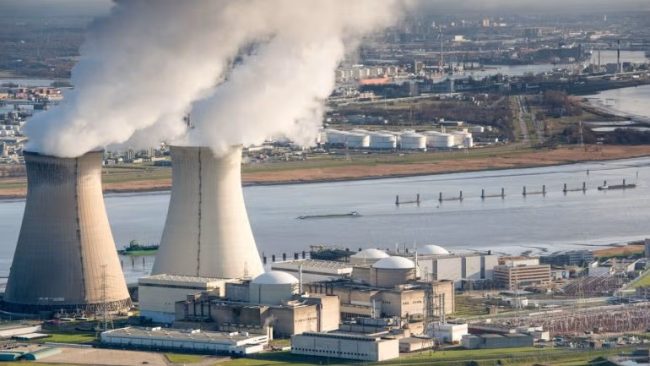
This month marks a historic moment in Europe’s energy landscape: Belgium has officially shut down the Doel 2 nuclear reactor after five decades of operation. Commissioned in 1975, Doel 2 has been a cornerstone of Belgium’s electricity supply, contributing to energy security and carbon reduction for half a century.

The closure is part of Belgium’s nuclear phase-out policy, which aims to gradually replace nuclear power with renewables. While this decision reflects political and environmental priorities, it also raises critical questions about energy resilience, skills transition, and the future of nuclear expertise in Europe.

  • Legacy and Lessons: Doel 2’s retirement underscores the durability and reliability of nuclear technology. Few energy assets operate effectively for 50 years.
  • Skills Challenge: As reactors close, experienced professionals face career crossroads. Their expertise in operations, safety, and maintenance is invaluable—but where will it go?
  • Global Contrast: While Belgium phases out, other nations are scaling up. China’s Xudabao 4 and the UK’s modular construction projects show nuclear innovation is thriving elsewhere.

The skills honed in traditional plants like Doel 2 remain relevant—but they must evolve to meet the demands of modular innovation. For professionals, this shift means new roles in design, off-site fabrication, logistics, and digital engineering.

The nuclear sector is at a crossroads. As some countries retire reactors, others invest in next-generation technologies. For talent, this is not the end—it’s a transformation. Those who adapt will lead the clean energy revolution.

As the industry pivots from legacy plants to modular builds and fusion breakthroughs, how will you position your career to stay ahead?

Picture: Electrabel

Open post

First Light Fusion Diagnostics for UKAEA Programme

Fusion Diagnostics: A Leap Forward for the UK’s Clean Energy Future

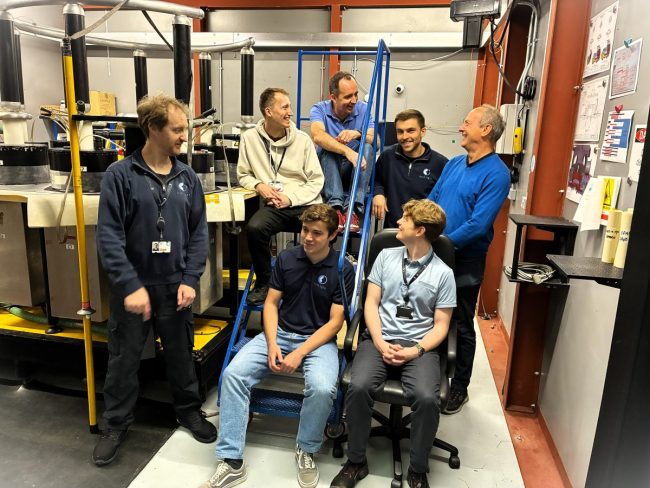
First Light Fusion has successfully completed a reactor diagnostic feasibility study as part of the UK Atomic Energy Authority’s £55M Fusion Industry Programme. This milestone is more than a technical achievement, it signals the UK’s commitment to advancing fusion energy, a technology that promises limitless, carbon-free power.

The study focused on developing advanced diagnostic systems to monitor and optimise fusion reactions. These tools are critical for scaling fusion from experimental setups to commercial reactors, ensuring safety, efficiency, and reliability.

Why does this matter for nuclear careers?
Fusion is no longer a distant dream; it’s becoming a career-defining frontier. Engineers, physicists, data scientists, and project managers will all play pivotal roles in transforming these breakthroughs into operational power plants. The UK’s investment in fusion innovation creates opportunities for professionals to shape the future of energy security and sustainability.

Key Takeaways for Industry Leaders and Job Seekers:

  • Diagnostics are the backbone of fusion progress, enabling precise control and performance optimisation.
  • The UK’s £55M programme demonstrates strong governmental and industrial support for fusion technology.
  • Careers in fusion will demand cross-disciplinary expertise, from nuclear engineering to AI-driven analytics.

Fusion is not just about science; it’s about building an ecosystem of talent ready to tackle the world’s most pressing energy challenges. Those who invest in skills today will lead the clean energy revolution tomorrow.

Picture: First Light Fusion

Open post

Virtual Power Plants & Sustainable Energy Systems

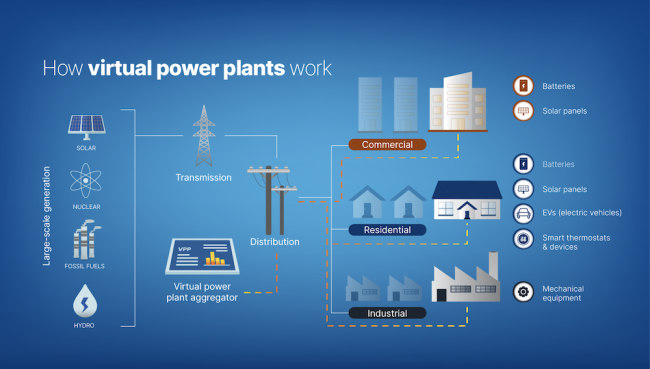
Virtual Power Plants (VPP’s) are digital platforms that aggregate multiple distributed resources including solar panels, battery storage, commercial/industrial/residential demands and funnel them into a single, coordinated network that operates like a traditional power plant.

There are many benefits to VPP’s and we’ve listed some below.

Cost-Effectiveness: More economical than traditional peaker plants as they can provide energy at a lower cost during peak times.

Grid Stability: They help balance supply and demand which reduces outages and also maintains voltage levels on the grid.

Consumer Incentives: Businesses and households who participate in VPP programmes often get financial benefits such as bill credits or direct payments for utilising their energy resources.

Environmental Impact: VPP’s utilise renewable energy resources and in turn they contribute towards reducing greenhouse gas emissions and promote sustainable practices.

Picture: solarreviews.com

Open post

Great British Energy 5-year Strategic Plan

A revitalising in oil & gas regions will help to revolutionise the energy sector while investing billions to shift to green energy.

A sustainable future and supporting over 10,000 jobs which will enable a transition away from fossil fuels and more focus on communities who have relied on oil & gas historically.

There are concerns when it comes to the pace of job creation. Roughly 1000 jobs per month are being lost in the oil & gas sector therefore, there’s a large disparity with GBE’s numbers and the realities people are facing.

Not all the workforce plans have been finalised; however, Aberdeen remains a focus and was key on the 2024 election campaign.

Aberdeen is emphasised as the corporate backbone with most employees being based here. There is a strong focus on the energy sector in this area hence it needing to be a driving factor in decision making.

Community ownership in projects, reinvesting profits and creating more jobs while empowering our energy future are vital for success.

Public funds to be invested with the aim to attract private finance over the long term. Using public land for wind and solar projects in order to produce profit for the community.

The energy transition needs to be strategic, sustainable, economic and environmental; the aim is a balanced energy transition.

For more visit; https://www.gbe.gov.uk/

Picture: Great British Energy

Open post
Nuclear Careers

Hiring for Tomorrow, Today: Nuclear & Energy Infrastructure

Our aim at Nuclear Careers is to work with a broad mix of clients such as engineering consultants, construction managers, civil contractors, defence organisations, and manufacturers. The common thread is that these businesses, whether SME or larger companies, all have links to nuclear & energy infrastructure.

Why is this our focus? We have a passion that major projects can succeed and in no point in time has infrastructure mattered more than it has today, with nuclear and energy – and success starts with skills & talent.

Britain is riding a wave of financing and funding right now, so while the times are good, recruitment tends to take a back seat. We know that hiring has and is going on; however, there have also been many layoffs, halted projects and companies pivoting focus. Unemployment is high, and the ever-growing skills gap has not been addressed.

2026 will see an increased demand for mid-career to executive level hires within engineering and project delivery roles, but if some businesses aren’t careful, the top talent will go elsewhere.

Gone are the days when you can solely rely on brand, “if you build it, they will come…”, and with global mobility being more of the norm nowadays, we aren’t just in competition nationally for good candidates.

Hiring top talent needs to start today, not yesterday, not last week, but now. Yes, there is an element of risk, the unknown, and uncertainty, but another thing is for sure, we must hire more candidates into the sector if we are going to achieve all our grand plans.

Having an idea is one thing, implementing it is another, and having the right people to support the delivery is crucial.

At Nuclear Careers we understand hiring and we have the talent network – we’ve been talking to business leaders throughout the UK and beyond, so we know what matters.

We’re excited to build the future with our clients, whether it’s a small local business or a larger national or even international organisation, powering nuclear and energy is the goal.

Open post

Battery Energy Storage System (BESS) in Taiwan

Saft Expands APAC Footprint with Landmark Energy Storage Project in Taiwan

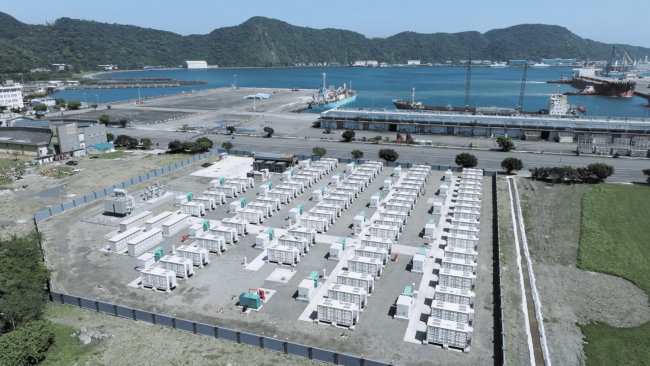
Saft, a subsidiary of TotalEnergies and a global leader in advanced battery solutions, has secured a major contract to deliver a 356 MWh Battery Energy Storage System (BESS) in Taichung, Taiwan. This milestone project, awarded by Foxwell Power Co., marks Saft’s 11th contract in Taiwan and its largest to date, reinforcing its strategic presence in the Asia-Pacific region.

The BESS will play a pivotal role in supporting Taiwan’s ambitious 2050 net zero strategy, helping to stabilize the grid and manage the intermittency of renewable energy sources. The system will provide frequency regulation and peak-shifting capabilities, essential for integrating renewables into the national energy mix.

Comprising 108 I-Shift lithium-ion battery containers, the installation is designed for a compact footprint and high efficiency. A key differentiator in Saft’s offering is its cybersecurity-integrated control system, developed in-house and manufactured in Europe. This AI-enabled solution meets the highest cybersecurity standards, a critical factor for Foxwell Power Co., which has now partnered with Saft on five consecutive BESS projects.

The Taichung project is scheduled to begin at the end of 2025 and continue through 2026. Upon completion, Saft’s installed energy storage capacity in Taiwan will reach 630 MWh, underscoring the company’s long-term commitment to energy innovation and regional collaboration.

“The success of this partnership is built on years of mutual trust and shared vision for a sustainable energy future,” said Vincent Le Quintrec, ESS Sales Director at Saft.

Click for official story: https://saft.com/en/media-resources/press-release/saft-strengthens-its-apac-presence-major-bess-project-taiwan-0

Picture courtesy of: SAFT

Open post

Ocean-based energy storage raises $8 million

Sizable Energy Secures $8M to Launch Ocean-Based Energy Storage

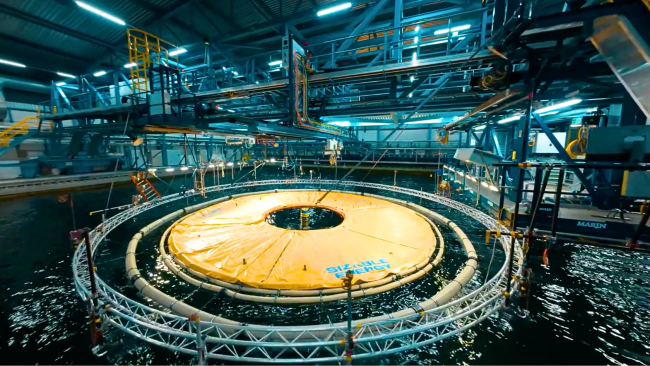
Sizable Energy, a startup founded by engineers from nuclear, mechanical, and maritime backgrounds, has raised $8 million to accelerate the commercial rollout of its offshore pumped hydro energy storage system—a gravity-based solution designed to store gigawatt-scale power beneath the ocean’s surface.

The funding round, led by Playground Global, follows successful testing at the Maritime Research Institute Netherlands (MARIN) and the launch of new sea trials off the coast of Reggio Calabria, Italy. The company’s patented system pumps dense salt brine from the seabed to a surface reservoir, using ocean depth as a natural energy storage medium.

Unlike traditional onshore pumped hydro, which is limited by geography and environmental constraints, Sizable’s modular, scalable, and invisible-from-shore design offers a faster, more flexible path to long-duration energy storage (LDES)—a critical need as global demand is expected to reach 120 TWh by 2040.

With a megawatt-scale pilot in the Mediterranean on the horizon and commercial projects planned for 2026, Sizable Energy is positioning itself as a key player in the clean energy transition.

Why It Matters for Nuclear Careers

This project highlights how nuclear-trained engineers and systems thinkers are driving innovation beyond traditional boundaries. As the energy sector evolves, cross-disciplinary expertise—from nuclear safety to marine engineering—is becoming essential to solving complex infrastructure challenges.

If you’re passionate about energy resilience, systems design, or sustainable innovation, this is the kind of frontier where your skills can make a global impact.

https://www.sizableenergy.com/news/2l26pidy71-sizable-energy-raises-8-million-to-launc

Picture from: Sizable Energy

Open post

Finland is “the most prepared” for fusion

Nordic Fusion Prospects: VTT Report Highlights Best Locations for Pilot Reactor.

A new report by VTT Technical Research Centre of Finland, commissioned by Novatron Fusion Group (NFG), identifies the most promising Nordic locations for a pilot fusion reactor. As fusion energy edges closer to commercial viability, the study evaluates Denmark, Finland, Norway, and Sweden for their readiness to host such a facility.

Key Findings:

  • Finland leads in regulatory preparedness, with reforms to its Nuclear Energy Act expected by 2027.
  • Top candidate regions include:
    • Helsinki metropolitan area (Finland)
    • Stockholm–Nyköping corridor (Sweden)
    • Copenhagen–Malmö region (Denmark/Sweden)
  • Ideal sites are near industrial zones with strong transport links and proximity to research hubs.

The report emphasizes the importance of cross-border collaboration, legislative clarity, and strategic planning to accelerate fusion deployment. NFG’s magnetic mirror reactor concept aims to deliver cost-effective, clean energy, with pilot construction targeted for the 2030s.

Energy company St1 has invested €13 million in NFG, reinforcing the region’s commitment to fossil-free energy innovation.

“Fusion breakthroughs are no longer theoretical,” said Finland’s Climate Minister Sari Multala. “The Nordics are ready to lead.”

Read the full report here.


Picture from: VTT

Scroll to top