
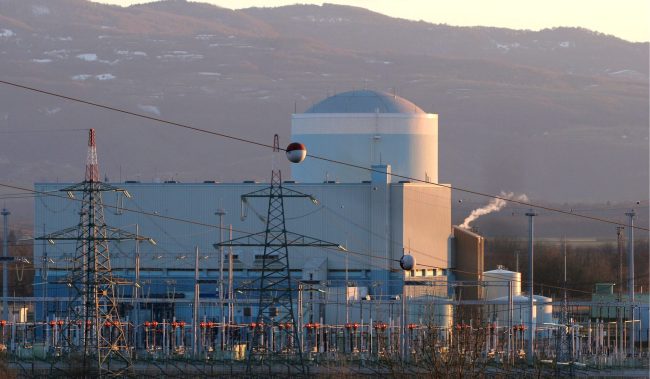
Croatia’s parliament has advanced a crucial and controversial initiative, a low to intermediate-level radioactive waste storage facility at Čerkezovac on Trgovska Gora, a former military base near the Bosnian border.
The decision enacts a long-discussed state strategy, serving national and cross-border obligations, yet simultaneously spotlighting regional diplomacy, environmental stewardship, and the role of community engagement in nuclear infrastructure development.
A Strategic Move: Obligations & Infrastructure
Under a bilateral agreement with Slovenia, Croatia is responsible for half of the Krško Nuclear Power Plant’s low- and intermediate-level nuclear waste. The new legislation establishes a regulatory framework to build the Čerkezovac facility that is projected to operate for 40 years before permanent disposal options become available.
Located within a 60‑hectare former army barracks, about 5 km from the nearest Croatian town, Croatians argue it offers existing logistical advantages.
An environmental impact assessment is required before construction, and initial shipments are anticipated around 2028.
Cross‑Border Tensions & Trust Deficit
Bosnia and Herzegovina have raised significant safety concerns, given the site is less than 1 km from Novo Grad’s water wells and just a few kilometres from high schools and the city centre, potentially affecting 250,000 residents.
Bosnian officials cite violations of the Espoo Convention, calling for comprehensive transboundary consultation. Citizens warned Croatia’s legislation circumvents these obligations.
Environmental & Social Concerns
NGOs like Eko Kvarner and various local stakeholders voice frustration at rushed communications and possible devaluation of surrounding properties, forests, farmland, and recreational zones alike.
Although safety assurances cite global best practices, critics warn that rapid cost minimisation often compromises environmental safeguards.
Political and Regulatory Responses
Croatia’s Prime Minister emphasises rigorous safety standards, reiterating no risk to their own or neighbouring populations.
Bosnia’s Foreign Trade Minister officially questions the site’s suitability and seeks EU intervention. In response, Croatia’s waste‑management authority insists full compliance with EU norms, with Bosnia formally invited into the environmental assessment process.
Key Implications for Nuclear Professionals
- Navigating Cross-Border Dynamics: This case underscores how nuclear infrastructure can quickly evolve into international flashpoints and understanding conventions like Espoo is essential.
- Importance of Early Engagement: Effective, transparent community and stakeholder communication remains vital especially in proximity to sensitive or protected regions.
- Balancing Safety and Economics: Deploying global best practices demands investment. The tension between project cost and environmental rigor can’t be ignored.
- Policy & Technical Integration: Engineering excellence alone is insufficient. Mastery of legal frameworks, diplomacy, and risk perception is equally mandatory.
Final Reflection
Croatia’s Čerkezovac project exemplifies the multi-dimensional challenge of nuclear waste management; technical, geopolitical, environmental, and societal forces converge. For professionals in the nuclear sector, it’s a compelling reminder that success depends not only on engineering acumen, but also on stakeholder alignment, regulatory navigation, and the foresight to see beyond borders.
Picture: EPA/Stringer