Open post

Seawater Uranium for Nuclear Fuel

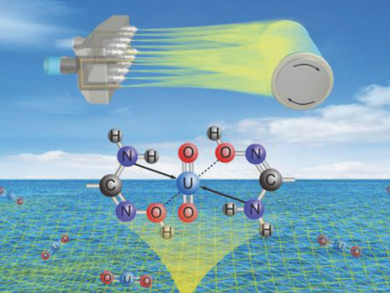
Cropland uranium resources are finite, at today’s consumption rates, terrestrial deposits may last barely a century. But the oceans? They hold approximately 4.5 billion tonnes of uranium, enough to fuel nuclear power for millennia. Unlocking this vast potential demands technological breakthroughs and recent research is lighting the path.

Exploring the Seawater Solution

A recent Springer chapter outlines the challenges and progress in extracting uranium from seawater. Key barriers include ultralow uranium concentration (around 3.3 µg/L), competition from ions such as vanadium, fouling of adsorbents, and efficiency losses under harsh ocean conditions. Amidoxime-functionalised polymers have emerged as the benchmark due to their strong uranium-binding affinity and resilience, but issues remain in scaling up, maintaining high ligand density, and achieving cost-effective, durable sorbents.

Electrochemical Innovation: A Saltwater Harvesting Garage

In a press release from ACS Central Science, researchers report a significant breakthrough using electrocoated cloth electrodes. Carbon-fibre cloth was modified with amidoxime-functionalised polymers, creating a porous matrix that, under cyclic voltage in Bohai Sea water, captured around 12.6 mg U per gram of material over 24 days, three times faster than passive adsorption approaches. This innovation addresses the persistent challenge of surface area and active-site exposure, marrying chemical selectivity with electrochemical kinetics.

Biomimicry at Sea: Inspired by Nature

A team at the Chinese Academy of Sciences drew inspiration from the radial-pore architecture of Chinese sweetgum fruit to develop a hierarchically porous, spherical biomimetic adsorbent. Mimicking natural channels that efficiently transport fluids, the material achieved a 213 % increase in uranium uptake and a 150 % improvement in selectivity over competing ions like vanadium and iron in real seawater tests. Fine-tuning pore size and density based on simulation insights enabled remarkable control over performance.

These pioneering approaches, amidoxime polymers, electrochemical cloth, and biomimetic frameworks, signal a pivotal evolution in nuclear fuel strategy.

  • Efficiency Takes the Lead: Biomimetic pore design and electric field-driven adsorption drastically improve mass transport, overcoming decades-old limitations.
  • Durability and Regeneration: Reusable sorbents that resist fouling, particularly in salty ocean environments, mark progress toward economically viable deployment.
  • Nature-Inspired Innovation: Biomimicry not only accelerates ion access but also enhances selectivity, spotlighting the potential of bio-inspired materials science in energy applications.
  • Multidisciplinary Approaches: The fusion of materials chemistry, electrical engineering, and computational modelling exemplifies modern nuclear fuel R&D.

The Broader Implication

Harvesting uranium from seawater isn’t just an academic exercise, it’s a strategic imperative. These technologies promise to decouple nuclear energy from geopolitically volatile terrestrial sources while minimising environmental impact from mining. As uranium scarcity looms, scalable marine extraction could sustain and expand low-carbon nuclear power globally.

For nuclear professionals, these breakthroughs offer a powerful lesson, the future belongs not only to advances in reactor design or regulatory reform, but also to creative, cross-sector synergies where chemistry meets biology, where electrochemistry confronts ocean science, and where ambition meets ingenuity.

Sources; Springer, ACS, Science News Today.

Picture: chemistryviews.org
Open post

Radioactive Waste Storage in Croatia

Croatia’s parliament has advanced a crucial and controversial initiative, a low to intermediate-level radioactive waste storage facility at Čerkezovac on Trgovska Gora, a former military base near the Bosnian border.

The decision enacts a long-discussed state strategy, serving national and cross-border obligations, yet simultaneously spotlighting regional diplomacy, environmental stewardship, and the role of community engagement in nuclear infrastructure development.

A Strategic Move: Obligations & Infrastructure

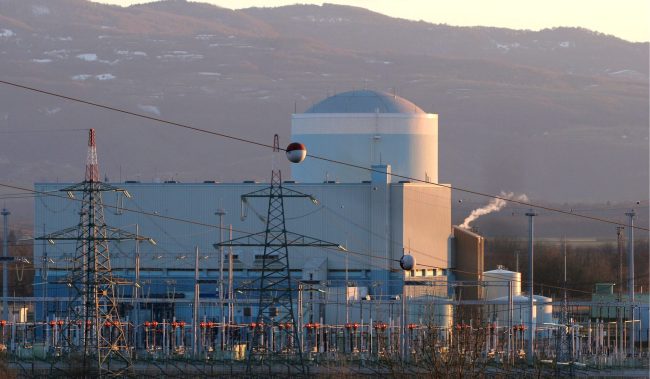
Under a bilateral agreement with Slovenia, Croatia is responsible for half of the Krško Nuclear Power Plant’s low- and intermediate-level nuclear waste. The new legislation establishes a regulatory framework to build the Čerkezovac facility that is projected to operate for 40 years before permanent disposal options become available.

Located within a 60‑hectare former army barracks, about 5 km from the nearest Croatian town, Croatians argue it offers existing logistical advantages.

An environmental impact assessment is required before construction, and initial shipments are anticipated around 2028.

Cross‑Border Tensions & Trust Deficit

Bosnia and Herzegovina have raised significant safety concerns, given the site is less than 1 km from Novo Grad’s water wells and just a few kilometres from high schools and the city centre, potentially affecting 250,000 residents.

Bosnian officials cite violations of the Espoo Convention, calling for comprehensive transboundary consultation. Citizens warned Croatia’s legislation circumvents these obligations.

Environmental & Social Concerns

NGOs like Eko Kvarner and various local stakeholders voice frustration at rushed communications and possible devaluation of surrounding properties, forests, farmland, and recreational zones alike.

Although safety assurances cite global best practices, critics warn that rapid cost minimisation often compromises environmental safeguards.

Political and Regulatory Responses

Croatia’s Prime Minister emphasises rigorous safety standards, reiterating no risk to their own or neighbouring populations.

Bosnia’s Foreign Trade Minister officially questions the site’s suitability and seeks EU intervention. In response, Croatia’s waste‑management authority insists full compliance with EU norms, with Bosnia formally invited into the environmental assessment process.

Key Implications for Nuclear Professionals

  • Navigating Cross-Border Dynamics: This case underscores how nuclear infrastructure can quickly evolve into international flashpoints and understanding conventions like Espoo is essential.
  • Importance of Early Engagement: Effective, transparent community and stakeholder communication remains vital especially in proximity to sensitive or protected regions.
  • Balancing Safety and Economics: Deploying global best practices demands investment. The tension between project cost and environmental rigor can’t be ignored.
  • Policy & Technical Integration: Engineering excellence alone is insufficient. Mastery of legal frameworks, diplomacy, and risk perception is equally mandatory.

Final Reflection

Croatia’s Čerkezovac project exemplifies the multi-dimensional challenge of nuclear waste management; technical, geopolitical, environmental, and societal forces converge. For professionals in the nuclear sector, it’s a compelling reminder that success depends not only on engineering acumen, but also on stakeholder alignment, regulatory navigation, and the foresight to see beyond borders.

Picture: EPA/Stringer

Open post

Happy New Year 2026!

As we enter the new year, we see this as the perfect time to plan, foster ideas and relationships while leaning into creativity.

Winter is also a time for reflection and ensuring we can all build on work that has already been undertaken.

2025 was, on the whole, a strong year for the nuclear sector. Public opinion was up, nuclear energy infrastructure was visible on a global scale, and there seems to be renewed interest and support for the future of nuclear power in the UK and beyond.

Below we’ve given brief insight to different areas of the nuclear sector in the UK and globally including defence, engineering, construction and waste management. Please reach out to take these conversations further, to continue networking, and to share your expertise.

Defence

The UK Nuclear Defence sector has seen the modernisation of Trident by continuing its investment in the Dreadnought-class submarines, which will replace the Vanguard fleet as part of the Trident nuclear deterrent program. Construction milestones were met, keeping the program on track for the early 2030s.

AUKUS and Strategic Partnerships saw a deepened collaboration, focusing on nuclear-powered submarine technology and advanced defence capabilities.

Where Policies were concerned the UK reaffirmed its commitment to maintaining a “minimum credible deterrent,” while supporting NATO’s nuclear posture amid heightened global tensions.

On the global stage nuclear defence trends included U.S. and NATO advancing the modernisation of its nuclear triad, including new ICBMs (Sentinel program) and B-21 bombers. NATO emphasised nuclear deterrence as part of its strategic concept.

Russia: Continued development of novel nuclear delivery systems (e.g., hypersonic weapons, Poseidon underwater drones) amid geopolitical strains.

China: Expanded its nuclear arsenal significantly, moving toward a larger and more diversified deterrent, including silo-based ICBMs and submarine-launched systems.

Arms Control Challenges: The collapse of major treaties like New START renewal talks and growing concerns over arms race dynamics marked 2025 as a year of uncertainty for global nuclear governance.

Engineering & Construction

Last year wasn’t just about policy or energy targets; it was a year defined by engineering ambition and construction milestones that will shape the industry for decades to come.

Hinkley Point C continued to dominate headlines as one of the most complex civil engineering projects in Europe. The site saw major progress, from reactor building completion to the installation of critical components. These achievements weren’t without challenges such as cost pressures and supply chain constraints testing resilience, but the project remains central to Britain’s low-carbon energy future.

Meanwhile, Sizewell C moved from planning into tangible action. Preparatory works accelerated, and engineering contracts expanded to support modular construction techniques, signalling a shift toward efficiency and innovation.

But infrastructure isn’t just about concrete and steel, it’s about people. 2025 highlighted the growing need for skilled engineers, project managers, and technical specialists. Apprenticeships and nuclear-specific training programs gained momentum, ensuring the next generation is ready to deliver on these ambitious projects, yet mid-career to executive level we certainly have an important skills gap to address.

Globally, the story was just as compelling. In the United States, Vogtle Units 3 and 4 marked a historic milestone as the first new reactors in decades entered operation. These projects showcased advanced modular assembly techniques, setting a precedent for future builds.

Across Asia, China continued its rapid expansion, leveraging standardised designs to deploy multiple reactors simultaneously, a feat that underscores the importance of engineering precision and scalability.

India and South Korea also pushed forward with new projects, reinforcing nuclear’s role in energy security.

Innovation was another defining theme. Small Modular Reactors (SMRs) moved from concept to reality, with pilot projects in Canada, the US, and the UK edging closer to licensing and early-stage construction. These designs promise flexibility, faster deployment, and a new era of nuclear engineering that could transform how we think about energy infrastructure.

Waste Management

When we talk about nuclear energy, the conversation often gravitates toward power generation, innovation, and carbon reduction. But behind every reactor and infrastructure project lies a critical responsibility, managing nuclear waste safely and sustainably. In 2025, this area saw significant progress and some pressing challenges that will define the future of the industry.

Across the UK, the focus remained on advancing the Geological Disposal Facility (GDF) program, a cornerstone of long-term waste strategy. Community engagement deepened, with several regions actively participating in site evaluations. This wasn’t just about engineering; it was about building trust and transparency. The year highlighted how technical excellence and social responsibility must go hand in hand when dealing with high-level waste.

Operationally, the UK continued to make strides in interim storage solutions, ensuring that spent fuel and radioactive materials are managed securely while permanent disposal options evolve. Engineering innovation played a key role here, with improved containment systems and digital monitoring technologies enhancing safety standards.

Globally, the narrative was equally dynamic. Finland’s Onkalo repository moved closer to becoming the world’s first operational deep geological facility, a milestone that sets a precedent for others. Sweden and France advanced their own disposal programs, while the United States renewed efforts to resolve long-standing challenges around permanent storage. Meanwhile, countries like Canada and Japan invested heavily in research on advanced waste treatment and recycling technologies, aiming to reduce volumes and recover valuable materials.

One of the most exciting developments was the growing interest in partitioning and transmutation techniques that could dramatically reduce the long-term radiotoxicity of waste. While still in the research phase, these innovations signal a future where waste management is not just about containment but transformation.

For professionals in the nuclear sector, these trends underscore a vital truth, waste management is no longer a back-office function. It’s a front-line discipline requiring expertise in engineering, environmental science, policy, and stakeholder engagement. Careers in this space are expanding, offering opportunities to shape solutions that will safeguard generations to come.

In Conclusion

As we move into 2026, the challenge is clear, how do we accelerate progress while maintaining public confidence and technical rigor? The answer lies in collaboration between governments, industry, and communities, and in the talent that drives innovation forward. If 2025 was a year of groundwork, 2026 must be a year of action.

Remember to contact us to expand on these topics and to discuss how Nuclear Careers can help with your hiring needs in 2026.

Open post

Oxford Sigma Make Powerful Mark at IAEA Meeting

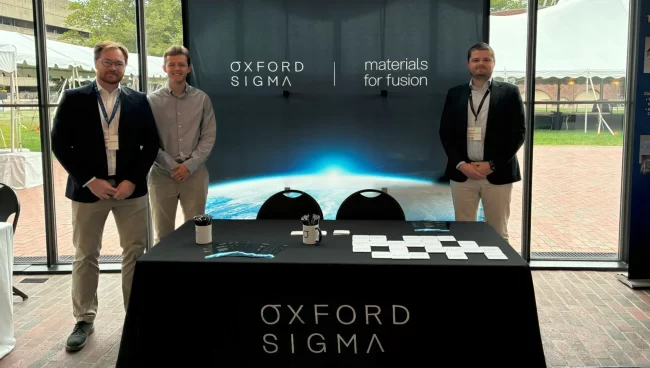
At the inaugural IAEA Technical Meeting on Experience in Codes and Standards for Fusion Technology, held in Vienna this November, Oxford Sigma made a powerful mark.

Dr Alasdair Morrison, CTO of Oxford Sigma, delivered a compelling presentation highlighting the importance of supply‑chain and materials frameworks in fusion-specific codes and standards. He emphasised current applications and the future evolution of materials within voluntary, consensus-based standards.

This landmark event, convened by the IAEA following preparatory consultations in 2023–25, brought together industry leaders, research institutions, fusion developers, and academia. Its mission: to bolster global collaboration on safety, efficiency, and technical rigor in fusion plant development.

A major achievement was the creation of a unified knowledge base of existing and emerging codes and standards across the fusion sector. Oxford Sigma’s contributions, especially through presentations and panel sessions, amplified the critical role of materials readiness in the supply chain.

Highlighted themes included:

    • The expansion of fusion-specific standards within major bodies like ISO and ASME Division 4, co-chaired by Oxford Sigma co-founder & CEO, Dr Thomas Davis.
    • Clarifying the varied requirements for demonstration versus full-scale fusion plants.
    • Establishing clear, common terminology to accelerate global collaboration across the fusion ecosystem.

By blending deep materials expertise with a strategic supply-chain perspective, Oxford Sigma is not just participating but leading the evolution of the standards framework essential for building safe, scalable, and commercially viable fusion power plants.

Original release; https://oxfordsigma.com/updates/news/oxford-sigma-present-at-iaea-technical-meeting-on-codes-and-standards/

Picture: Oxford Sigma

Open post

Eskom Charts a Bold Course for South Africa’s Next Nuclear Era

With environmental assessments underway for a third nuclear power station, the utility faces a delicate balance between energy security and ecological stewardship.

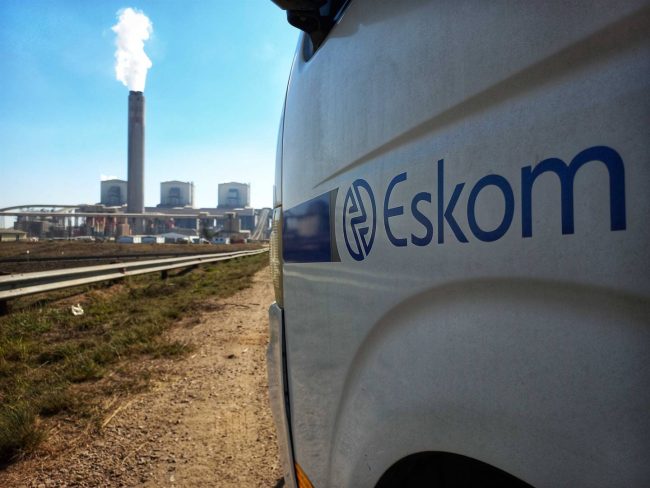
Eskom is poised to steer South Africa into a new chapter of its nuclear journey, having officially launched the Environmental Impact Assessment (EIA) process for a prospective third nuclear power station.

Building on the momentum of its second plant at Duynefontein, which received final environmental clearance just four months ago, Eskom is now considering two coastal sites: Thyspunt in the Eastern Cape and Bantamsklip near Dyer Island in the Overberg region. This facility is envisioned to deliver a commanding 5,200 MW of capacity, signalling a bold leap in the nation’s energy strategy.

To guide this pivotal decision, Eskom appointed WSP Group Africa as the independent Environmental Assessment Practitioner (EAP). A virtual pre-application meeting outlined the “exceptionally tight” approval schedule mandated by national regulations. The primary goal is to achieve environmental authorisation from the Department of Forestry, Fisheries and the Environment (DFFE) by February 2027, with potential appeals resolved by May 2027.

Beyond environmental scrutiny, Eskom will also pursue heritage clearance, water-use licencing, coastal discharge permits, and a site license from the National Nuclear Regulator.

While Thyspunt and Bantamsklip were both previously shortlisted for South Africa’s second nuclear site, ultimately awarded to Duynefontein, the new assessment has resurrected old debates around ecological, social, and heritage concerns.

Bantamsklip, positioned near an internationally important marine ecosystem hosting roughly 1,000 breeding pairs of critically endangered African penguins, southern right whales, Cape fur seals, sharks, dolphins, and abalone, has attracted intense scrutiny. Conservationists are deeply concerned about sediment upheaval, underwater noise, chemical effluents, and potential thermal impacts on marine habitats. There is also alarm over sand disposal and the threat it poses to kelp forests, which underpin local fisheries and tourism.

Amid these ecological fears, Dyer Island Conservation Trust and Thyspunt Alliance have pledged renewed advocacy and legal resistance, recalling previous project delays on similar grounds.

Eskom, for its part, insists the new EIA will integrate lessons from prior processes and apply a comprehensive, “technology envelope” to accommodate unknown reactor types, aiming to balance thorough baseline studies, ranging from seismic and hydrological assessments to marine biology, with innovative energy planning.

At this stage, discussions remain conceptual: no reactor technologies have been finalised, nor have financing or ownership structures been detailed. Yet the ambition is clear.

Embedded in the broader Integrated Resource Plan 2025, which targets 105 GW of new generation capacity by 2039, this nuclear initiative forms a cornerstone of Eskom’s Nuclear Industrial Plan, designed to re-anchor national nuclear expertise and enhance energy security.

As South Africa balances its pressing energy needs with ecological responsibility, the next 18 months of regulatory review, public input, and environmental due diligence will shape both the outcome and global leadership signal this project embodies.

Picture: Eskom

Open post

Kazakhstan Builds Nuclear Fuel Cycle to Power Its Energy Future

From uranium mining to high-tech fuel assembly and reactor projects, the nation is positioning itself as a global leader in nuclear technology and innovation.

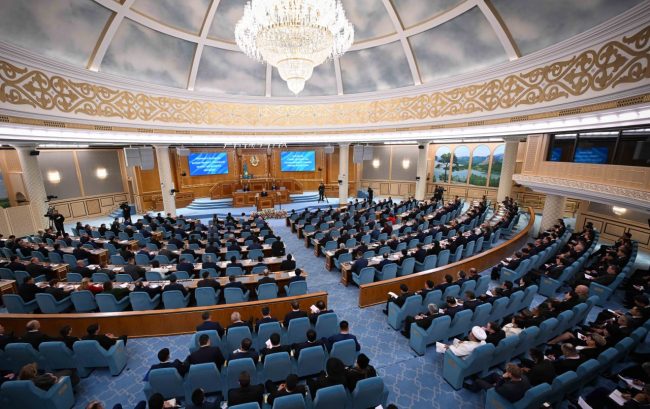
Kazakhstan is rapidly transforming its role in the global nuclear industry, moving beyond uranium mining to develop a full high-tech fuel cycle.

At the heart of this shift is the Ulba Metallurgical Plant in East Kazakhstan, which has recently undergone major modernisation. A new automated inspection line now checks uranium fuel pellets with micrometre precision at a rate of three pellets per second, ensuring exceptional quality and consistency.

Alongside this, fuel assembly production has expanded to 300 tonnes annually, while the Ulba-TVS facility has reached its design capacity of 200 tonnes of uranium per year. These upgrades position Kazakhstan as a reliable supplier of nuclear fuel for both domestic and international markets.

This progress aligns with the country’s long-term energy ambitions. Despite being the world’s leading uranium producer, Kazakhstan has historically lacked nuclear power generation. That is changing.

Plans are underway for several nuclear power plants, including a major project with Russia’s Rosatom featuring two Generation III+ reactors with a combined capacity of 2.4 GW, expected to launch around 2035. Additional projects with Chinese partners are also in development.

Safety remains a priority, with site selection in the Almaty region emphasising robust passive and active safety systems informed by lessons from Fukushima and Chernobyl. Efforts to minimise radioactive waste are integral to these plans.

Beyond power generation, Kazakhstan is building an innovation ecosystem. Two nuclear-focused science cities are planned in Almaty and Kurchatov, leveraging the expertise of the Institute of Nuclear Physics and the National Nuclear Centre.

The country is also expanding into nuclear medicine, exporting technetium-99 radiopharmaceuticals, and exploring fuel conversion and enrichment technologies. This strategy reflects a shift from volume to value, aiming to create a comprehensive nuclear hub that supports energy security and global decarbonisation goals.

For professionals in the nuclear sector, these developments signal a surge in opportunities, from fuel fabrication and reactor construction to research, regulatory compliance, and medical applications. Kazakhstan’s vision to 2050 is clear: to evolve from a uranium supplier into a global leader in nuclear technology and innovation.

Picture: Akorda

Open post

Eagle Energy Metals and Uranium Mining

US Uranium: A Strategic Comeback.

The US uranium sector is experiencing a resurgence, driven by energy security concerns, policy support, and a renewed focus on domestic supply chains. Companies like Eagle Energy are positioning themselves at the centre of this revival, leveraging administrative tailwinds and market dynamics to strengthen America’s nuclear fuel independence.

Key Drivers Behind the Uranium Revival include energy security: geopolitical tensions and supply chain vulnerabilities have highlighted the need for reliable domestic uranium production. Policy momentum: federal initiatives and incentives are creating a favourable environment for uranium miners and nuclear fuel processors. And, finally, market opportunity: Rising global demand for nuclear power, both traditional reactors and emerging SMRs, requires stable fuel sources.

Eagle Energy’s leadership emphasises that this is not just about mining, it’s about building a strategic ecosystem that supports the next generation of nuclear technology. From exploration to enrichment, the US aims to reduce reliance on foreign suppliers and secure its role in the global energy transition.

This shift opens doors for professionals across multiple domains:

  • Mining & Processing: Geologists, engineers, and environmental specialists will be critical in scaling sustainable uranium production.
  • Regulatory & Compliance: Expertise in safety standards and environmental stewardship will be in high demand.
  • Advanced Fuel Cycle Innovation: Scientists and technologists will drive breakthroughs in fuel fabrication for SMRs and advanced reactors.

The US uranium comeback is more than a market trend, it’s a career-defining opportunity for those ready to align with energy security and innovation.

As the US accelerates its uranium strategy to power the next wave of nuclear innovation, how will you position your skills to lead in this evolving landscape?

Picture: Eagle Energy Metals
Open post

Doel 2 in Belgium to Close

The End of an Era: Doel 2 Retires After 50 Years.

This month marks a historic moment in Europe’s energy landscape: Belgium has officially shut down the Doel 2 nuclear reactor after five decades of operation. Commissioned in 1975, Doel 2 has been a cornerstone of Belgium’s electricity supply, contributing to energy security and carbon reduction for half a century.

The closure is part of Belgium’s nuclear phase-out policy, which aims to gradually replace nuclear power with renewables. While this decision reflects political and environmental priorities, it also raises critical questions about energy resilience, skills transition, and the future of nuclear expertise in Europe.

  • Legacy and Lessons: Doel 2’s retirement underscores the durability and reliability of nuclear technology. Few energy assets operate effectively for 50 years.
  • Skills Challenge: As reactors close, experienced professionals face career crossroads. Their expertise in operations, safety, and maintenance is invaluable—but where will it go?
  • Global Contrast: While Belgium phases out, other nations are scaling up. China’s Xudabao 4 and the UK’s modular construction projects show nuclear innovation is thriving elsewhere.

The skills honed in traditional plants like Doel 2 remain relevant—but they must evolve to meet the demands of modular innovation. For professionals, this shift means new roles in design, off-site fabrication, logistics, and digital engineering.

The nuclear sector is at a crossroads. As some countries retire reactors, others invest in next-generation technologies. For talent, this is not the end—it’s a transformation. Those who adapt will lead the clean energy revolution.

As the industry pivots from legacy plants to modular builds and fusion breakthroughs, how will you position your career to stay ahead?

Picture: Electrabel

Open post

Xudabao 4 Modular Construction

What’s Happening at Xudabao 4?

  • Xudabao Nuclear Power Plant in Liaoning Province is advancing with Unit 4, which is part of a series of large-scale reactors using VVER-1200 technology supplied by Russia’s Rosatom.
  • Recent announcements highlight:
    • Civil construction milestones: Reactor building and containment structures progressing rapidly.
    • International collaboration: Russian technology integrated with Chinese project management and supply chains.
    • Strategic energy goals: China is accelerating nuclear deployment to meet carbon neutrality targets by 2060.

Connecting to UK Modular Construction

While China is building gigawatt-scale reactors, the UK is pioneering modular construction through:

  • Hinkley Point C: Using modular assembly for major components to reduce on-site complexity.
  • Sizewell C: Expected to replicate modular efficiencies.
  • SMRs (Small Modular Reactors): Rolls-Royce-led program aiming for factory-built modules for faster deployment.

Why this matters for nuclear careers:

  • China’s approach shows the continued relevance of large-scale nuclear expertise globally.
  • UK’s modular trend creates demand for new skills: digital design, off-site fabrication, logistics, and advanced QA/QC processes.
  • Professionals who understand both traditional and modular methods will be highly sought after as the industry diversifies.

Global nuclear strategies are diverging, China is scaling up with mega-reactors, while the UK is innovating with modular builds. For professionals, this means opportunity: mastering modular construction techniques and digital workflows will be key to driving efficiency and sustainability in the next generation of nuclear projects.

Picture: Rosatom

Open post

First Light Fusion Diagnostics for UKAEA Programme

Fusion Diagnostics: A Leap Forward for the UK’s Clean Energy Future

First Light Fusion has successfully completed a reactor diagnostic feasibility study as part of the UK Atomic Energy Authority’s £55M Fusion Industry Programme. This milestone is more than a technical achievement, it signals the UK’s commitment to advancing fusion energy, a technology that promises limitless, carbon-free power.

The study focused on developing advanced diagnostic systems to monitor and optimise fusion reactions. These tools are critical for scaling fusion from experimental setups to commercial reactors, ensuring safety, efficiency, and reliability.

Why does this matter for nuclear careers?
Fusion is no longer a distant dream; it’s becoming a career-defining frontier. Engineers, physicists, data scientists, and project managers will all play pivotal roles in transforming these breakthroughs into operational power plants. The UK’s investment in fusion innovation creates opportunities for professionals to shape the future of energy security and sustainability.

Key Takeaways for Industry Leaders and Job Seekers:

  • Diagnostics are the backbone of fusion progress, enabling precise control and performance optimisation.
  • The UK’s £55M programme demonstrates strong governmental and industrial support for fusion technology.
  • Careers in fusion will demand cross-disciplinary expertise, from nuclear engineering to AI-driven analytics.

Fusion is not just about science; it’s about building an ecosystem of talent ready to tackle the world’s most pressing energy challenges. Those who invest in skills today will lead the clean energy revolution tomorrow.

Picture: First Light Fusion

Posts navigation

1 2 3 4 5 6 7 8
Scroll to top