
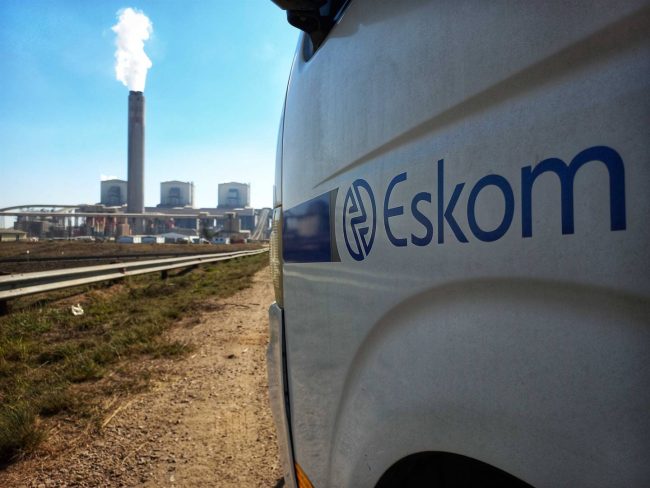
With environmental assessments underway for a third nuclear power station, the utility faces a delicate balance between energy security and ecological stewardship.
Eskom is poised to steer South Africa into a new chapter of its nuclear journey, having officially launched the Environmental Impact Assessment (EIA) process for a prospective third nuclear power station.
Building on the momentum of its second plant at Duynefontein, which received final environmental clearance just four months ago, Eskom is now considering two coastal sites: Thyspunt in the Eastern Cape and Bantamsklip near Dyer Island in the Overberg region. This facility is envisioned to deliver a commanding 5,200 MW of capacity, signalling a bold leap in the nation’s energy strategy.
To guide this pivotal decision, Eskom appointed WSP Group Africa as the independent Environmental Assessment Practitioner (EAP). A virtual pre-application meeting outlined the “exceptionally tight” approval schedule mandated by national regulations. The primary goal is to achieve environmental authorisation from the Department of Forestry, Fisheries and the Environment (DFFE) by February 2027, with potential appeals resolved by May 2027.
Beyond environmental scrutiny, Eskom will also pursue heritage clearance, water-use licencing, coastal discharge permits, and a site license from the National Nuclear Regulator.
While Thyspunt and Bantamsklip were both previously shortlisted for South Africa’s second nuclear site, ultimately awarded to Duynefontein, the new assessment has resurrected old debates around ecological, social, and heritage concerns.
Bantamsklip, positioned near an internationally important marine ecosystem hosting roughly 1,000 breeding pairs of critically endangered African penguins, southern right whales, Cape fur seals, sharks, dolphins, and abalone, has attracted intense scrutiny. Conservationists are deeply concerned about sediment upheaval, underwater noise, chemical effluents, and potential thermal impacts on marine habitats. There is also alarm over sand disposal and the threat it poses to kelp forests, which underpin local fisheries and tourism.
Amid these ecological fears, Dyer Island Conservation Trust and Thyspunt Alliance have pledged renewed advocacy and legal resistance, recalling previous project delays on similar grounds.
Eskom, for its part, insists the new EIA will integrate lessons from prior processes and apply a comprehensive, “technology envelope” to accommodate unknown reactor types, aiming to balance thorough baseline studies, ranging from seismic and hydrological assessments to marine biology, with innovative energy planning.
At this stage, discussions remain conceptual: no reactor technologies have been finalised, nor have financing or ownership structures been detailed. Yet the ambition is clear.
Embedded in the broader Integrated Resource Plan 2025, which targets 105 GW of new generation capacity by 2039, this nuclear initiative forms a cornerstone of Eskom’s Nuclear Industrial Plan, designed to re-anchor national nuclear expertise and enhance energy security.
As South Africa balances its pressing energy needs with ecological responsibility, the next 18 months of regulatory review, public input, and environmental due diligence will shape both the outcome and global leadership signal this project embodies.
Picture: Eskom