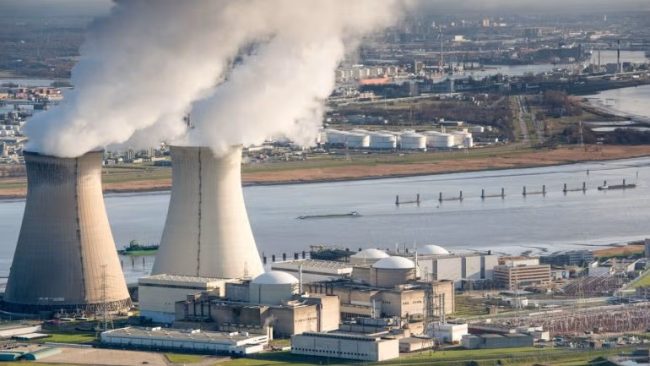
The End of an Era: Doel 2 Retires After 50 Years.
This month marks a historic moment in Europe’s energy landscape: Belgium has officially shut down the Doel 2 nuclear reactor after five decades of operation. Commissioned in 1975, Doel 2 has been a cornerstone of Belgium’s electricity supply, contributing to energy security and carbon reduction for half a century.
The closure is part of Belgium’s nuclear phase-out policy, which aims to gradually replace nuclear power with renewables. While this decision reflects political and environmental priorities, it also raises critical questions about energy resilience, skills transition, and the future of nuclear expertise in Europe.
- Legacy and Lessons: Doel 2’s retirement underscores the durability and reliability of nuclear technology. Few energy assets operate effectively for 50 years.
- Skills Challenge: As reactors close, experienced professionals face career crossroads. Their expertise in operations, safety, and maintenance is invaluable—but where will it go?
- Global Contrast: While Belgium phases out, other nations are scaling up. China’s Xudabao 4 and the UK’s modular construction projects show nuclear innovation is thriving elsewhere.
The skills honed in traditional plants like Doel 2 remain relevant—but they must evolve to meet the demands of modular innovation. For professionals, this shift means new roles in design, off-site fabrication, logistics, and digital engineering.
The nuclear sector is at a crossroads. As some countries retire reactors, others invest in next-generation technologies. For talent, this is not the end—it’s a transformation. Those who adapt will lead the clean energy revolution.
As the industry pivots from legacy plants to modular builds and fusion breakthroughs, how will you position your career to stay ahead?
Picture: Electrabel